

Indoor Air Quality (IAQ) in Offices (2026) | Testing and IAQ Advise
[Indoor Air Quality](/indoor-air-quality/) (IAQ) has moved from being a “nice to have” to a business-critical topic. Employees expect healthier working environments. Clients and contractors want reassurance that buildings are well managed. Facilities teams are under pressure to prove systems are working – not just assume they are. And in many cases, persistent comfort complaints, odours, headaches
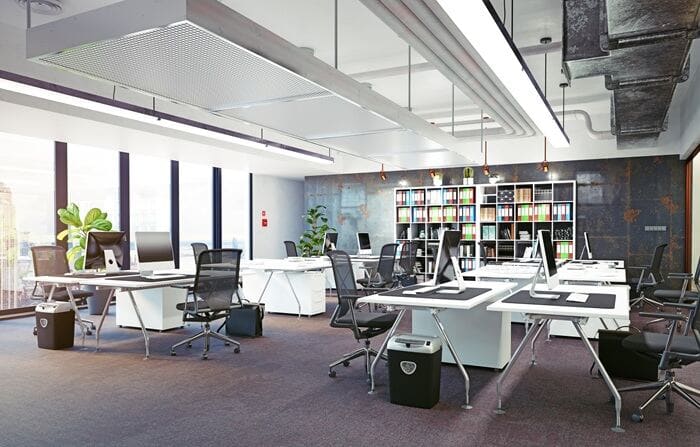
Indoor Air Quality (IAQ) in Offices: Why It Still Matters
Indoor Air Quality (IAQ) has moved from being a “nice to have” to a business-critical topic. Employees expect healthier working environments. Clients and contractors want reassurance that buildings are well managed. Facilities teams are under pressure to prove systems are working – not just assume they are. And in many cases, persistent comfort complaints, odours, headaches, or fatigue aren’t “just one of those things” … they are early warning signs that the indoor environment needs attention.
In 2026, “good IAQ” isn’t about chasing perfection. It’s about having a workplace that is safe, well maintained, and defensible – supported by real evidence.
What Does “Good IAQ” Actually Mean?
A healthy office environment is typically one where:
- Fresh air is delivered consistently (not just in certain areas).
- Ventilation systems are maintained and performing as intended.
- Indoor contaminants are controlled to low and stable levels.
- Occupants feel comfortable, alert, and able to work productively.
- Issues are investigated quickly and methodically when they arise.

Good IAQ is a combination of ventilation performance, contaminant control, and good building hygiene.
Office environments can be deceptively complex. Even in modern buildings, IAQ problems are common – and often caused by multiple contributing factors. The most common office IAQ issues we see include:
Ventilation not matching occupancy
Offices change. Teams grow. Layouts shift and change. Meetings rooms get used more often, yet ventilation settings often stay the same. When ventilation rates don’t keep up with real-world occupancy, you may see:
- Stuffy rooms;
- Fatigue and reduced concentration;
- Persistent CO2 build-up in busy areas.
Poor air distribution
Sometimes there is enough ventilation overall, but it isn’t reaching where it needs to. This can show up as:
- Certain zones being consistently uncomfortable;
- "hot desks' where people always complain when stationed there;
- Areas with persistent odours.
Maintenance gaps (filters, plant performance, housekeeping)
Even a well-designed system won’t perform optimally if maintenance is inconsistent. Common examples include:
- Dirt or poorly fotted filters;
- ​Blocked supply/extract points;
- Low airflow due to system degradation;
- Dust accumulation in hard-to-reach areas.
Indoor sources of contamination
Offices aren’t "clean by default”. Indoor sources can include:
- Cleaning chemicals;
- Printers and office equipment;
- New furnishings, flooring, or adhesives;
- Stored materials (especially in poorly ventilated cupboards/rooms).
Dampness and hidden moisture
Moisture doesn’t always present as obvious mould. Signs may include:
- Musty smells;
- Recurring condensation;
- Complaints worsening after weekends or heavy rains;
- Symptoms improving when people work elsewhere.

The right approach – in terms of what should you measure in an IAQ assessment - depends on the building, the concerns raised, and how the space is used – but these are common IAQ indicators:
CO2 (Carbon Dioxide)
CO2 is not the only IAQ metric, but it’s one of the most useful indicators of ventilation adequacy in occupied spaces.
When CO2 levels rise and stay elevated, it can suggest:
- Ventilation is not keeping up with occupancy;
- Fresh air rates are insufficient;
- Certain rooms are under-ventilated
Particulate Matter (PM)
Fine particles can affect comfort and respiratory health. Particulate levels can increase due to:
- Outdoor air pollution entering the building;
- Poor filtration;
- Construction or maintenance activities;
- Resuspension of settled dust through foot traffic.
Temperature and Relative Humidity
Comfort matter. And humidity plays a role in:
- Condensation risk;
- Mould growth potential;
- Perceived air "freshness";
- Dry air complaints (eyes, throat irritation);
VOCs (Volatile Organic Compounds)
VOCs can come from:
- Paints and coatings;
- Furniture and flooring;
- Cleaning products;
- Stored chemicals or aerosols.
VOC testing is often useful when complaints include:
- Chemical smells;
- Headaches;
- Nausea;
- "New building" odours that don’t go away.

Good indoor air quality creates confidence for multiple stakeholders. For employees, it supports wellbeing, productivity, and trust in the workplace. For Facilities and H&S teams, it provides evidence that the environment is monitored, controlled, and responsibly managed. For clients, visitors, and contractors, it demonstrates that the building is professionally maintained and safe to enter and work within. This is particularly important where businesses want to show good practice and proactive risk management.
In our experience, the most credible IAQ approach is not reactive. It’s structured and repeatable. A strong approach typically includes:
- A baseline IAQ assessment;
- Targeted investigations when issues arise;
- Clear actions based on findings;
- Routine maintenance verification;
- Periodic re-testing (especially after changes to occupancy or building works)
Organisations don’t need to wait for a crisis. IAQ testing is worth considering when:
- Staff are reporting recurring comfort complaints;
- There’s been a refurbishment, new furniture, or layout changes;
- Occupancy has increased;
- Ventilation hygiene or maintenance has been inconsistent;
- There are concerns about dampness, mould, or musty odours;
- You want evidence for audits, ESG reporting, or reassurance initiatives.
Sysco Environmental supports organisations with:
- IAQ testing and investigations;
- Ventilation performance assessments;
- Identification of likely sources and contributing factors;
- Practical recommendations for improvement;
- Repeat monitoring programmes for reassurance and trend tracking;
We focus on evidence-based assessments that help you take action with confidence.
If you’d like reassurance that your building is well maintained - or you need support investigating recurring complaints - contact Sysco Environmental to discuss an IAQ assessment or monitoring plan.
Keep reading
More from blog
Hazardous Materials
What Lurks Beneath The Paint: A Hygienists Take On Working With Lead Pt 2
Field Notes
Understanding Health Surveillance: Applications and Best Practices

Mould & Microbiology