







About Us

Shop

Shop Basket

My Account

Blog    |    Case Studies

Accreditations

Our Customers    |    Testimonials

Our Customers


Make a Payment


Careers

What Lurks Beneath the Paint: A Hygienist's Take on Working with Lead

What Lurks Beneath the Paint: A Hygienist's Take on Working with Lead

Lead paint might sound like a relic from the past – a hazard we’ve long since moved from. But if you’re in industrial hygiene, you know better. From crumbling council flats to rusting steel bridges, lead-containing coatings are still very much with us, hiding under layers of newer paint, just waiting to be disturbed. And once they are? Things get complicated quickly.

Thankfully, we’ve got more than gut instinct to guide us. The British Coatings Federation (BCF) has put together some genuinely useful documents that cut through the confusion. In this piece, I’ll walk you through three of the most useful guides - HS032, HS034, and HS039 - peppered with real-life examples to show how these principles play out on site.

Still Lurking in Layers
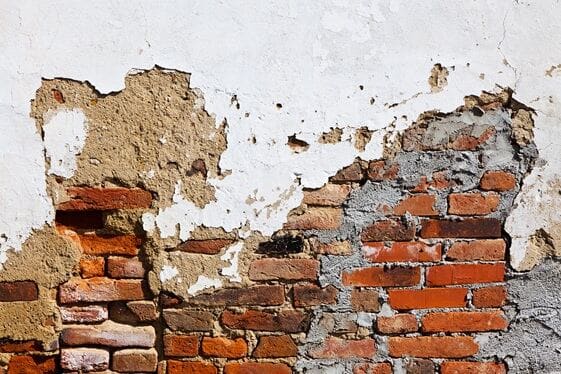
Before the dangers of lead were widely understood, it was the industry’s go-to – bright, durable, and long-lasting. That means if you’re working on anything pre-1980, especially ornate public buildings or painted metal structures, the odds are pretty high that lead is present. 

Even if it’s buried under newer layers, the moment someone starts scraping, sanding or blasting, that risk comes roaring back to life.

Take the Victorian primary school I visited once. The painters were minutes away from dry-sanding the charming teal window frames. A quick check, and there it was — layers of lead paint beneath. We pivoted to chemical stripping and avoided a full-blown exposure incident. Simple steps. Big impact.

HS032: For the People Doing the Work
"Lead in Painted Surfaces: Guidance for Painters, Decorators, and Maintenance Staff" (HS032) might not be written for hygienists, but it’s one of the best handouts you can bring on-site. It lays out the risks, the no-go zones, and safer methods in plain English.

Key Takeaways:

  • If the paint’s intact and you’re not disturbing it, leave it alone.
  • Dry sanding, hot air guns, and burning are all high-risk — they release lead dust.
  • Instead, use wet methods, chemical strippers, or infrared where possible.
I remember a children’s centre where contractors were using hot air guns indoors. Air monitoring showed lead levels spiking. We switched to wet stripping with LEV, and the improvement was immediate. This guide helped us justify the change and win client support.

FAQs on-site:
Q: Can’t we just scrape off a small patch?
A: Only if you’re sure it’s not lead-based. If the building predates 1980 and hasn’t been tested, assume it is.
Q: Do workers need face masks?
A: Not always, but if there’s a risk of disturbance, RPE is essential. Especially for prep work like sanding or stripping.

Read the second installment in our What Lurks Beneath the Paint series.

OUR EXPERT

Tomas Gabor

0800 433 7914

Tomas Gabor is a seasoned Industrial Hygienist with a sharp eye for what most people overlook - especially when it comes to legacy hazards like lead. With over a decade of experience across heritage buildings, public sector housing, and industrial infrastructure, Tomas specialises in exposure assessments that bridge regulatory compliance and practical risk management. He's not just a clipboard-and-data kind of hygienist - Tomas is often on-site, working alongside contractors to catch risks before they become incidents. His writing combines technical expertise with stories from the field, helping consultants, site managers, and decision-makers make safer, more informed choices. In "What Lurks Beneath the Paint," Tomas shares lessons from real jobs and trusted guidance from the British Coatings Federation to shed light on one of the UK's most underestimated hazards: lead paint.

Ask us a question