

Silica Dust Exposure in 2026: What Every Construction Employer Needs to KnowSilica Dust Exposure in 2026: What Every Construction Employer Needs to Know
Respirable crystalline silica remains one of the biggest occupational health risks in UK construction. This guide explains current HSE expectations, common exposure sources and practical control measures employers should implement.
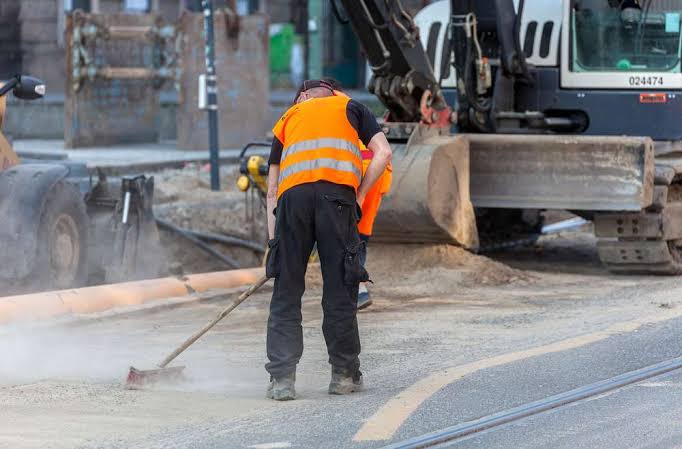
Article overview
Silica dust remains one of the most significant occupational health hazards facing the UK construction industry.
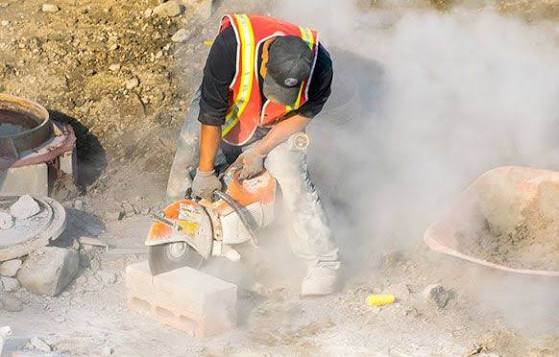
Generated during activities such as cutting, drilling, grinding and breaking materials like concrete, stone and brick, respirable crystalline silica can penetrate deep into the lungs and cause irreversible disease. The HSE estimates that hundreds of construction workers continue to die annually from silica-related illnesses.

Why HSE Is Intensifying Its Focus
Preventing occupational lung disease remains a key regulatory priority, with inspectors continuing to assess how effectively employers manage dust-generating activities. Recent HSE guidance has also strengthened expectations around engineered stone processing and silica control measures.
Common Sources of Silica Dust
Workers may be exposed when:
Cutting paving slabs
Chasing walls
Concrete drilling
Demolition activities
Grinding masonry products
Stone fabrication and installation
Surface preparation work
Many tasks generate dust levels that exceed Workplace Exposure Limits if suitable controls are not implemented.
Health Effects of Silica Exposure
Long-term exposure can contribute to:
Silicosis
Chronic obstructive pulmonary disease (COPD)
Lung cancer
Kidney disease
Reduced respiratory function
The effects often develop gradually, making prevention essential.
Effective Dust Control Measures
The hierarchy of control remains the most effective approach:
Eliminate unnecessary cutting processes
Use water suppression systems
Apply on-tool extraction
Maintain suitable LEV systems
Implement respiratory protective equipment programmes
Conduct exposure monitoring
Provide worker training and supervision
Why Monitoring Matters
Exposure monitoring enables employers to understand actual worker exposure and evaluate whether control measures are genuinely effective.
Without monitoring, assumptions can leave significant gaps in compliance and worker protection.
Supporting Compliance Across Construction Projects
By combining exposure monitoring, occupational hygiene assessments and practical recommendations, construction businesses can better protect workers while demonstrating compliance during inspections.
Concerned about Silica Dust Exposure on Your Site?
Understanding the risks is only the first step. The most effective way to protect your workforce and demonstrate compliance is to verify that your dust control measures are performing as intended.
Sysco Environmental provides workplace silica dust exposure monitoring, occupational hygiene assessments, and practical recommendations to help construction businesses identify risks, evaluate controls, and meet their legal obligations.
Contact our team today to discuss your project requirements and find out how we can support your silica dust management programme.