

Does Your Heat-Stress Monitoring Measure What Really Matters?
Heat measurement is useful only when it represents the work and leads to proportionate action. Sysco Environmental explains how UK employers can move beyond air temperature, assess thermal strain and translate evidence into effective control.
In Brief
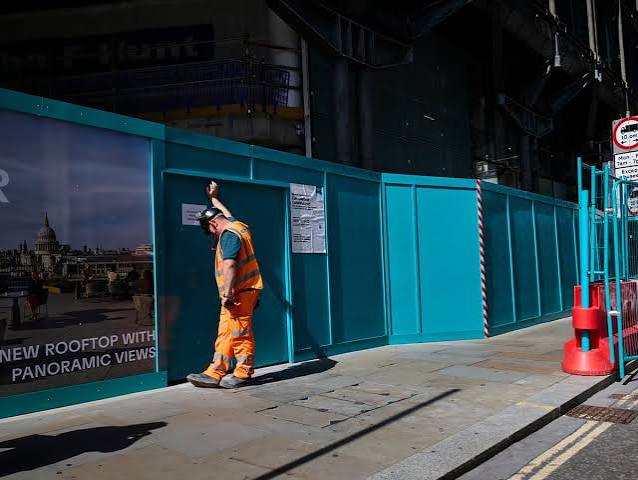
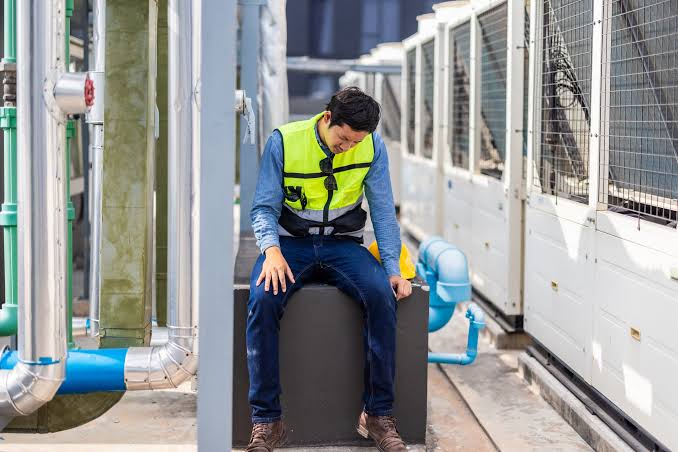
- Heat stress depends on air and radiant temperature, humidity, air movement, workload, clothing and exposure time.
- A weather forecast or heat-index value cannot replace assessment at the task location.
- Wet Bulb Globe Temperature can support assessment, but the result requires competent interpretation for workload and clothing.
- Employers should define action triggers and controls before conditions deteriorate.
- Symptoms or unusual behaviour require immediate intervention regardless of the instrument reading.
Measurement Must Answer a Practical Question
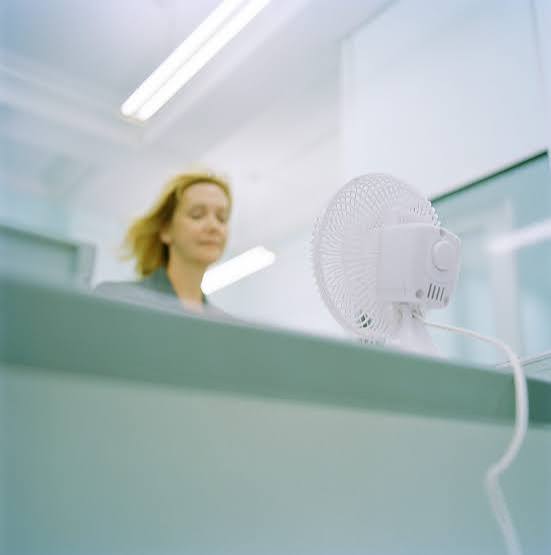
Workplace teams often ask for “the temperature” as if one number will determine whether work is safe. It will not. The same air temperature can create very different strain in a shaded office, a humid laundry, a foundry beside radiant heat or a construction worker performing heavy labour in protective clothing.
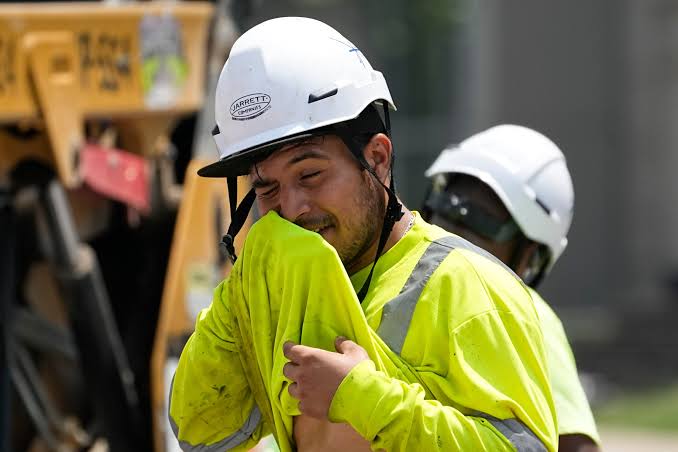
Heat stress occurs when the body cannot keep its internal temperature within a safe range without excessive strain. The body produces metabolic heat during physical work and gains heat from the environment. It loses heat through radiation, convection and sweat evaporation. Humidity, still air and insulating clothing can restrict those routes.
Measurement should therefore answer a defined question: Which tasks create the greatest risk? When should work and recovery change? Is a ventilation improvement effective? Does protective clothing materially alter the assessment? A number collected without this purpose can create false reassurance or unnecessary stoppage.
The UK Duty Is Risk-Based
The Health and Safety at Work etc. Act 1974 and Management of Health and Safety at Work Regulations 1999 require employers to assess foreseeable risk and implement effective preventive arrangements. The Workplace (Health, Safety and Welfare) Regulations 1992 require a reasonable indoor temperature, but Great Britain has no universal statutory maximum workplace temperature.
HSE distinguishes thermal comfort from heat stress. Discomfort can affect wellbeing and behaviour, while heat stress can lead to heat exhaustion, impaired judgement and potentially life-threatening illness. HSE’s INDG451 guidance supports a structured assessment of environmental, job and individual factors. Employers should act on foreseeable risk rather than wait for a specific temperature to be exceeded.
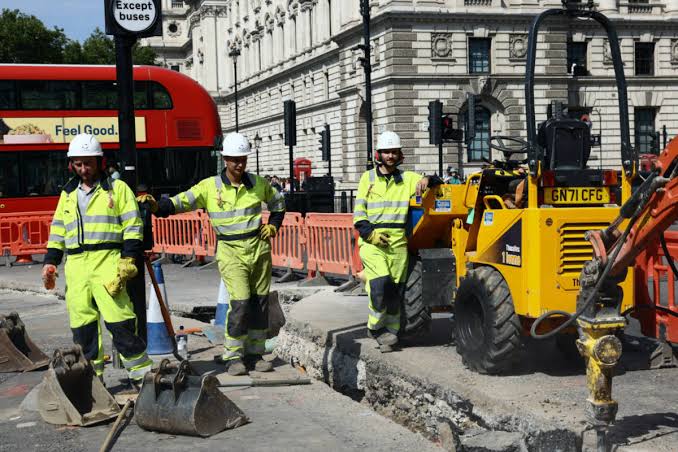
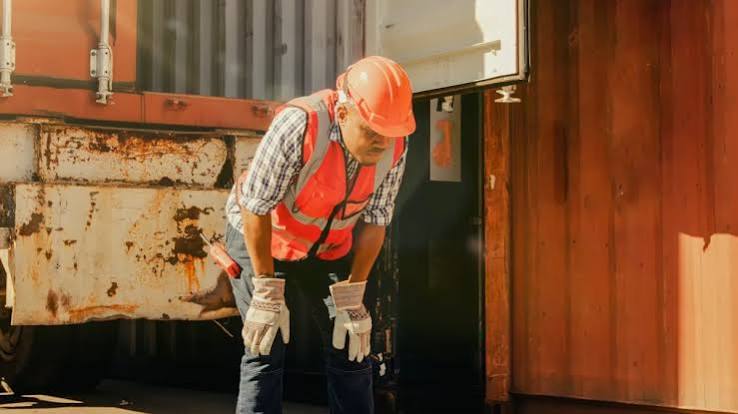
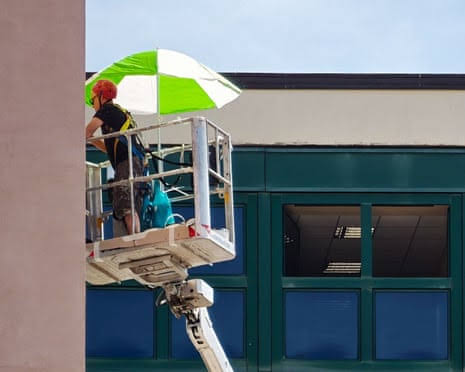
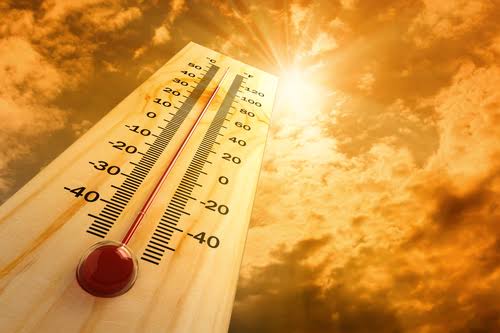
Other duties may shape the assessment. The Observe representative work before selecting an instrument. Identify hot processes, sunlight, steam, restricted air movement, enclosed areas and surfaces radiating heat. Record task pace, lifting, climbing, posture, duration, shift timing and recovery. Include cleaning, breakdowns and maintenance, which may be more demanding than normal production. Document clothing as a complete ensemble. Ordinary garments, coveralls, chemical suits, gloves, helmets and respiratory protective equipment may retain heat and add weight. Note whether PPE can be removed only after decontamination or travel to a safe zone. Recovery does not begin simply because productive work stops. Speak with workers and supervisors. Headache, dizziness, nausea, fatigue, cramp, poor concentration, irritability and unusual errors may indicate thermal strain. Reports of PPE being loosened, missed breaks or improvised cooling reveal whether planned controls are realistic. HSE’s heat-stress checklist offers a practical qualitative screen. It considers air temperature, radiant heat, air movement, humidity, clothing and work rate. A high or uncertain screening result should lead to better controls and, where needed, competent quantitative assessment. Screening should not delay obvious improvements. A standard thermometer measures air temperature at its sensor. It does not directly represent radiant heat, humidity or evaporation. Relative-humidity meters and air-velocity instruments add information but require suitable placement and calibration. Surface-temperature measurements may help identify radiant sources, although they are not a measure of a worker’s internal temperature. Wet Bulb Globe Temperature (WBGT) combines measurements representing natural wet-bulb temperature, globe temperature and air temperature. It is widely used as a heat-stress index. Outdoors in solar load, the calculation weights those components differently from indoor or shaded conditions. Modern instruments may calculate the index automatically, but automation does not establish whether the measurement is representative. WBGT is an environmental index, not a diagnosis. Interpretation requires an estimate of metabolic work rate and appropriate adjustment for clothing. Guidance or standards used to select action criteria must be current, applicable and clearly identified. Values from an American employer programme or sporting standard should not be presented as British legal limits. Select instruments with a suitable measurement range, response time and documented calibration. Globe sensors need time to stabilise. Position equipment at a representative height and location without obstructing work. Where conditions differ across a task route, take enough measurements to characterise that variation. Plan when measurements will be taken and how operational context will be captured. A cool morning reading may not represent afternoon solar load; a survey during reduced production may miss process heat. Repeat measurements across relevant conditions and record weather, process state, ventilation, workforce, task and PPE. Identify similar exposure groups only where people have genuinely comparable conditions and work patterns. Workers moving between levels, roofs, enclosed rooms and vehicles may not belong in one group. Personal data, direct observation and task timing help prevent an area average from obscuring a short high-risk exposure. Weather forecasts support anticipation and staffing, particularly for outdoor work. On-site measurements remain necessary where local shade, building geometry, hard surfaces, machinery or humidity create a different microclimate. Establish how forecasts and workplace readings will be used together. Consider uncertainty. Instrument accuracy, sensor placement, estimated workload and changing conditions all affect interpretation. Report a result with its assumptions rather than as an exact dividing line. Where uncertainty could change the control decision, collect better evidence or apply the more protective arrangement. Before high-risk work begins, define escalating action levels linked to site-specific controls. An initial level may trigger more frequent checks and a team briefing. A higher level may require reduced pace, shorter exposure, increased recovery and rescheduling. A stop-work level should apply where conditions or controls cannot keep risk acceptable. These are internal management triggers, not statutory maximum temperatures. Base them on competent interpretation of environmental results, work rate, clothing and vulnerable groups. State who measures, who interprets, who authorises changes and what happens if an instrument fails. Measurements never overrule symptoms. Stop work and assess a worker who develops signs of heat illness even if the index remains below an action point. Individual response varies, and local conditions may have been missed. Eliminate unnecessary entry into hot areas and automate or remotely monitor processes. Reduce process temperature where practicable. Insulate hot surfaces, install radiant barriers, extract hot air, improve ventilation or cooling and provide conditioned control spaces. Maintain these systems and monitor indicators that reveal failure. Modify tasks by scheduling heavy work for cooler periods, using mechanical aids, reducing pace and providing planned recovery in a cool area. Rotation works only when the alternative has lower thermal demand and total exposure is controlled. Staff numbers must support breaks without transferring excessive strain. Provide cool drinking water and regular access. Hydration supports thermoregulation but cannot make an excessive exposure safe. Avoid rigid universal consumption rules; workers with medical restrictions may need occupational-health advice. Provide hygienic welfare and convenient toilets. Select PPE that provides the necessary primary protection with the lowest practicable thermal burden. Evaluate cooling garments for compatibility, duration, added weight and hygiene. Workers must not loosen required PPE within a hazardous area to cool down. New starters and workers returning after absence may not be acclimatised. Increase exposure progressively over several days according to conditions, workload, clothing and competent advice. Acclimatisation improves tolerance but does not replace engineering control. Train workers and supervisors to recognise early symptoms and local action levels. Buddy observation can help during demanding work. Supervisors need authority to pause work and should record symptoms, control failures and unexpected changes. Confusion, collapse, seizure, altered consciousness or severe loss of coordination can indicate a medical emergency. Call 999, move the person to a safe cooler location and begin rapid cooling in accordance with first-aid training. Do not delay emergency action while seeking another measurement. Compare measurements with symptoms, work patterns, control checks and worker feedback. Repeat monitoring after ventilation changes, altered PPE, new processes or a significant incident. Retain contextual records so future results can be compared meaningfully. Sysco Environmental can support workplace heat-stress assessment and monitoring where measurement will resolve a defined uncertainty. Our approach is to make results measured, defensible and useful: representative of the task, explicit about limitations and connected to decisions. The objective is not to produce a single safe-temperature figure. It is to understand the combined heat load early enough to change the environment, task or work pattern before thermal strain causes harm.
Start With Observation and Screening
Understand What Instruments Measure

Design a Representative Monitoring Strategy
Translate Results Into Action Levels
Control the Source, Task and Exposure
Acclimatisation, Supervision and Emergency Response
Verify the Assessment Over Time
Related services