

How Preventive Maintenance of Welding Equipment Supports Workplace Health and COSHH Compliance
Maintaining welding equipment is often viewed as an engineering responsibility. In reality, equipment condition also plays an important role in occupational hygiene, workplace exposure control and operational reliability. This article explores why preventive maintenance contributes to safer workplaces and supports long-term compliance.
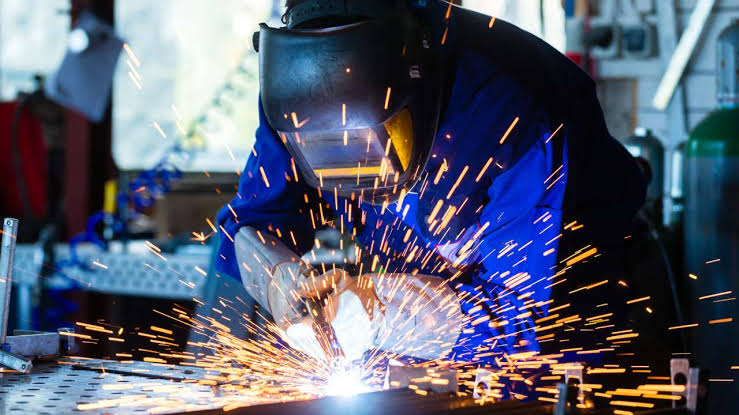
Article overview
Preventive maintenance is usually associated with improving productivity, reducing downtime and extending equipment lifespan.
These are all valuable business objectives.
However, there is another benefit that receives far less attention.
Well-maintained welding equipment can also support healthier working environments by contributing to more consistent welding processes and helping engineering controls perform effectively.
For organisations managing occupational health risks, maintenance should be viewed as part of a wider exposure control strategy.
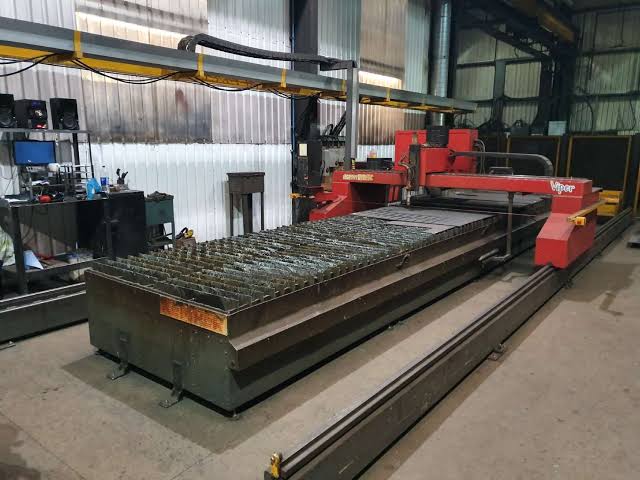
Reliable equipment supports consistent processes. Poorly maintained welding equipment may contribute to:
Inconsistent arcs
Excessive spatter
Process instability
Variable heat input
Reduced weld quality
Operational inconsistency often leads to longer welding times, rework and increased production activity.
The longer welding continues, the greater the potential duration of worker exposure to welding fumes.
Preventive maintenance therefore supports both operational efficiency and exposure management.
Workplace exposure controls extend beyond the welding machine itself.
Local Exhaust Ventilation systems, extraction arms, filtration units and associated equipment all require routine inspection and maintenance to perform effectively.
Without ongoing maintenance:
Airflow performance may decline.
Filters may become overloaded.
Extraction efficiency can reduce.
Fumes may escape into worker breathing zones.
A ventilation system that performed well when installed may deliver significantly different results several years later if maintenance is neglected.
Risk assessments should reflect current workplace conditions as maintenance supports better risk assessments.
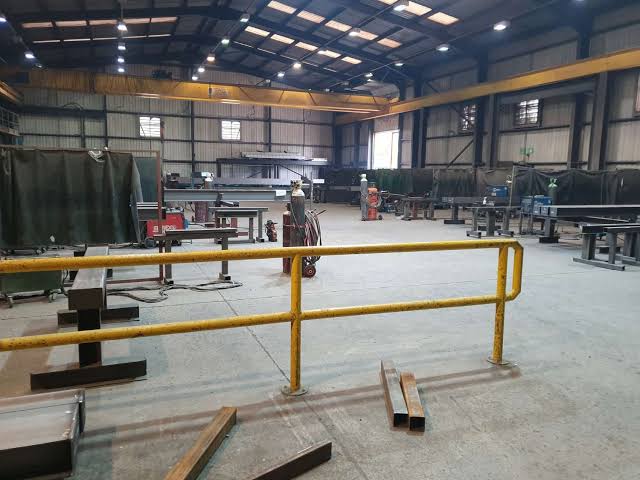
Changes to equipment performance, production processes or ventilation may alter employee exposure.
Following significant maintenance, equipment upgrades or production changes, organisations should consider whether existing exposure monitoring data remains representative.
Monitoring verifies whether workplace controls continue to achieve the intended outcome.
The financial benefits extend beyond repairs. Preventive maintenance helps organisations reduce:
Emergency breakdowns
Production interruptions
Costly equipment replacement
Rework
Lost productivity
From an occupational hygiene perspective, it may also reduce:
Uncontrolled exposure events
Unexpected ventilation failures
Compliance risks
Corrective actions following inspections
Protecting employee health and maintaining operational reliability often go hand in hand.
One common misconception is that well-maintained equipment automatically means workers remain adequately protected. Maintenance alone does not confirm compliance.
Unfortunately, this is not always true.
Even equipment operating exactly as designed can still generate hazardous airborne contaminants depending on:
Materials used
Duration of welding
Workplace layout
Worker positioning
Ventilation effectiveness
This is why occupational hygiene monitoring remains essential.
Maintenance demonstrates good practice.
Exposure monitoring demonstrates performance.
The two should always complement one another.
Leading organisations increasingly integrate maintenance, engineering and occupational hygiene into a single risk management strategy, building a proactive safety culture.
Rather than waiting for complaints or regulatory inspections, they routinely:
Maintain welding equipment
Inspect LEV systems
Review COSHH assessments
Conduct workplace exposure monitoring
Train employees
Review findings after operational changes
This proactive approach supports continual improvement while reducing long-term occupational health risks.
Preventive maintenance delivers far more than operational reliability.
It contributes to safer workplaces, supports engineering controls and forms an important part of effective occupational hygiene management.
However, maintenance should never replace measurement.
The strongest occupational health programmes combine reliable equipment with professional exposure monitoring, allowing organisations to make decisions based on evidence rather than assumptions.
Sysco Environmental helps organisations understand whether workplace controls are performing as intended through professional workplace exposure monitoring and occupational hygiene assessments. If your welding operations have changed, equipment has been upgraded or production has increased, now may be the right time to review employee exposure.