

Can Your Granules Create a Dangerous Dust Cloud?
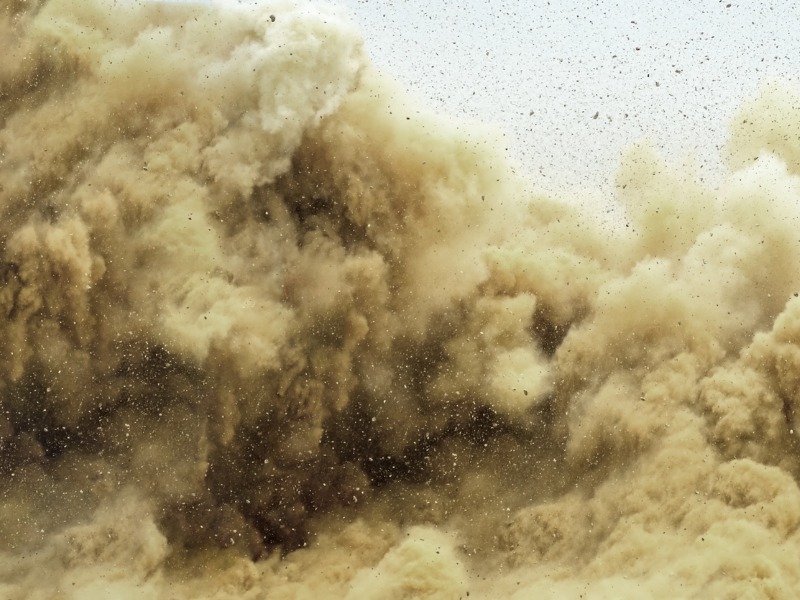
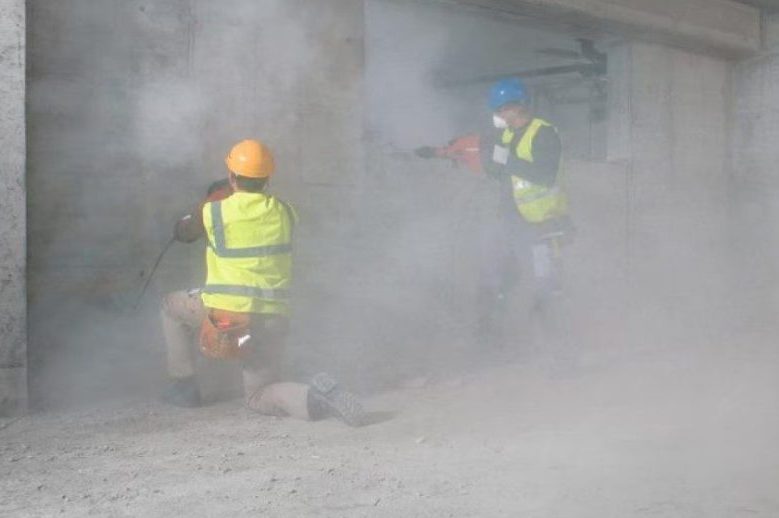
A material does not need to arrive as a fine powder to create a dust hazard. Handling, transfer, abrasion and breakage can generate smaller particles, creating risks to health and, for combustible materials, fire and explosion.
In Brief
In Brief
- UK employers should assess the material in its actual workplace condition under COSHH and, where combustible dust may form an explosive atmosphere, DSEAR.
- Appearance and nominal particle size are not enough to establish safety. A defensible assessment considers the process, exposure, deposits, ignition sources and effectiveness of existing controls.
Many workplace materials look harmless while they are stored in a bag, hopper or container, but workplace dust risk assessments are important in the UK. Granules, pellets and coarse particles may produce little visible dust when first inspected. Once the material moves through a process, however, its condition can change.
Conveying, tipping, milling, blending, sieving and repeated handling can break particles down. Finer material may then become airborne or accumulate on plant and building surfaces. The assessment must therefore consider the material as it is received and as it may exist during normal work, cleaning, maintenance, foreseeable faults and transport within the premises.
At Sysco Environmental, our starting point is a simple question: what can this material become during the process? That shift — from describing the supplied product to understanding the material workers actually encounter — is central to a defensible assessment.
One Dust, Two Types of Risk
One Dust, Two Types of Risk
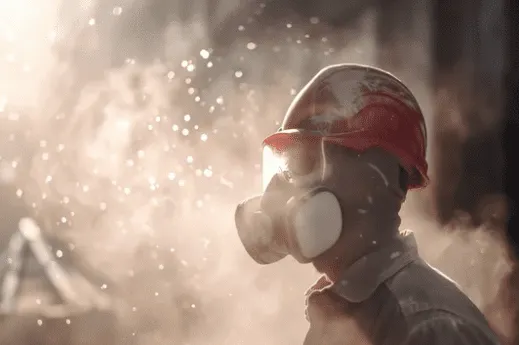
Dust can present a health risk, a fire and explosion risk, or both. These risks must be assessed separately because they arise through different mechanisms and are governed by different legal duties.
Under the Control of Substances Hazardous to Health Regulations 2002 (COSHH), employers in Great Britain must assess risks from substances hazardous to health and prevent exposure where reasonably practicable. Where prevention is not reasonably practicable, exposure must be adequately controlled.
HSE explains that dust of any kind falls within the COSHH definition of a substance hazardous to health when airborne concentrations reach 10 mg/m³ as an eight-hour time-weighted average for inhalable dust, or 4 mg/m³ for respirable dust. These figures are not general safe limits. Some dusts, including hazardous components within a mixed dust, have lower workplace exposure limits or require tighter control.
The size and nature of airborne particles influence where they deposit in the respiratory system and the harm they may cause. HSE distinguishes between inhalable dust, which can enter the nose and mouth, and respirable dust, which can penetrate to the gas-exchange region of the lungs. Composition matters as much as quantity: flour, hardwood, silica-containing and metal dusts do not present identical health hazards.
Fire and explosion risks are addressed through the Dangerous Substances and Explosive Atmospheres Regulations 2002 (DSEAR) in Great Britain. DSEAR applies to dust capable of forming an explosive atmosphere when dispersed in air. The parallel framework in Northern Ireland is the Dangerous Substances and Explosive Atmospheres Regulations (Northern Ireland) 2003.
Why Appearance Is Not Enough
Why Appearance Is Not Enough
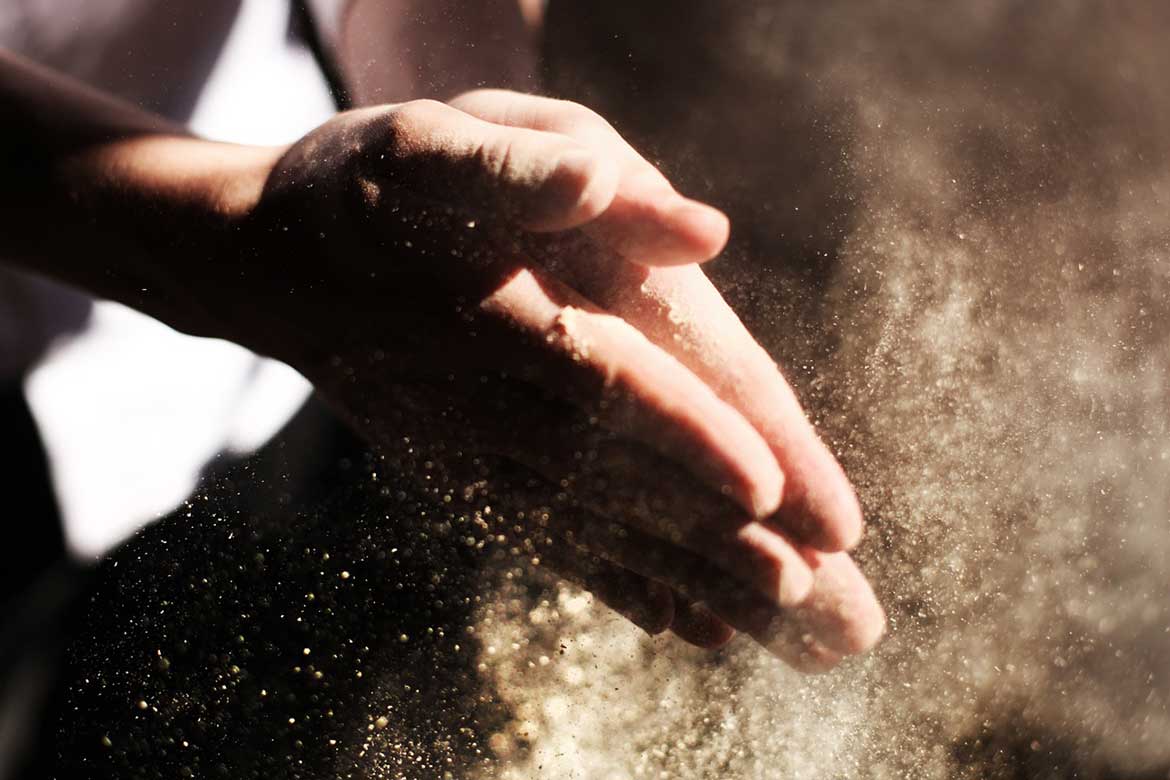
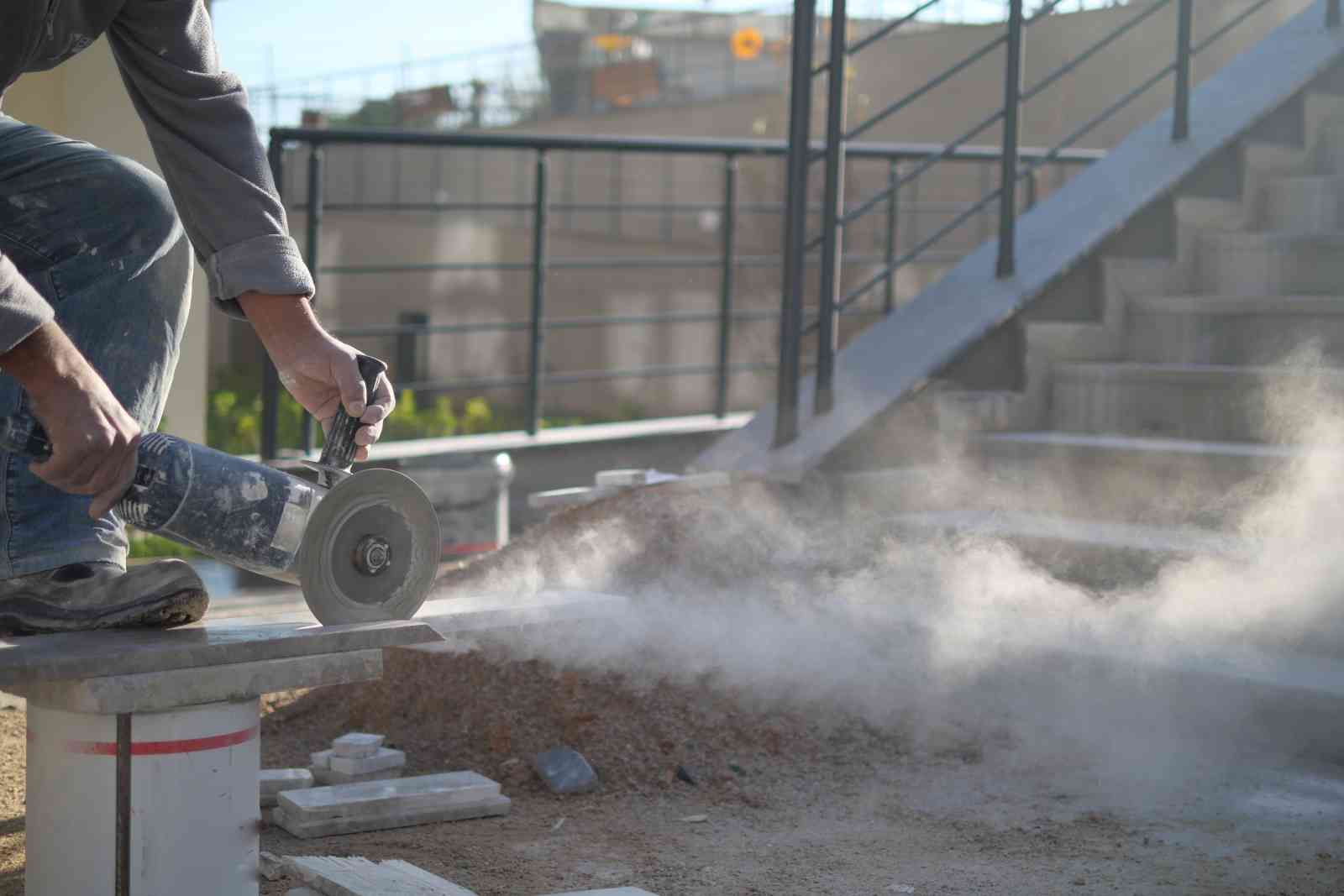
A clean-looking process is not necessarily a dust-free process. Coarse material may contain fine particles that settle at the bottom of a container, while repeated movement can create additional fines through attrition. Dust may also collect inside ductwork, filters, enclosures and other areas that are difficult to see during a routine inspection.
HSE’s guidance on combustible dusts identifies friction and attrition as processes capable of creating combustible dust clouds from familiar materials. Examples include sugar, grain, wood, coal, some metals and many synthetic organic chemicals.
There is no reliable visual test for deciding whether a material is explosible. Nor should an employer assume that material above a particular particle size cannot create a hazard. Particle size distribution is relevant, but so are composition, moisture, particle shape, concentration, dispersion and the available ignition energy. The process may also generate a finer fraction than the supplier’s original sample suggests.
Safety data sheets can provide useful starting information, but they may not describe material generated by the user’s process. A COSHH and DSEAR assessment should consider dust created through cutting, grinding, sanding, transfer, mixing, drying, cleaning and waste handling, even when the supplied product is not classified as a powder.
Build a Representative Assessment
Build a Representative Assessment
Our approach begins by mapping the material through the complete process. Employers should identify:
- how the material is delivered, stored and transferred;
- tasks that abrade, crush, grind or otherwise reduce particle size;
- points where dust is released or may accumulate;
- normal and abnormal operating conditions;
- cleaning, maintenance and blockage-clearing activities;
- workers, contractors and others who may be exposed;
- possible ignition sources, including hot surfaces, sparks, static electricity and unsuitable electrical equipment;
- existing extraction, containment, housekeeping and emergency arrangements.
Sampling must represent the material and process being assessed. Testing only unused material from a sealed package may miss the fine fraction produced during handling. Depending on the risk, a competent specialist may need samples from transfer points, collectors, settled deposits or material after simulated handling.
For health risks, occupational hygiene monitoring may be required to assess personal exposure and the effectiveness of controls. Sampling should follow a suitable method and distinguish the relevant inhalable or respirable fraction. Results must be compared with the correct substance-specific workplace exposure limit where one exists, not merely with the general COSHH
dust values.
Where a combustible dust hazard may exist, specialist laboratory testing can help establish whether a representative sample is explosible and provide information for prevention, equipment design and explosion protection. The testing strategy should be selected by a competent person who understands both the process and the intended use of the results. A single test result should not be treated as a substitute for a suitable and sufficient DSEAR assessment.
Characterise, Identify and Control
A practical dust assessment can be organised into three stages.
1. Characterise the Material
Identify the material’s composition and the hazardous properties of its components. Consider how particle size and moisture may change during processing. Review reliable supplier information, but verify whether it represents the material actually present at the point of exposure or accumulation.
Where uncertainty could affect the selection of controls, obtain competent occupational hygiene or fire and explosion advice. Testing should answer a defined assessment question rather than simply produce data with no clear application.
2. Identify Credible Scenarios Examine where a harmful exposure, fire or explosion could realistically occur. For an explosion, this means considering whether combustible dust could form a cloud in air, whether confinement is present and whether a credible ignition source could coincide with it.
Include foreseeable failures and interventions. A blocked transfer line, damaged filter, ineffective extraction system or cleaning task may create conditions that do not occur during stable production. Deposited dust can also become airborne again through vibration, compressed air or an initial disturbance.
Where an explosive atmosphere may occur, DSEAR
requires employers to identify and classify hazardous areas and to control ignition sources. Equipment used in those areas must be suitable for the zone and the nature of the hazard.
3. Prevent, Control and Mitigate Elimination or substitution should be considered first. Where the material or dusty process cannot be removed, employers should reduce the quantity present, minimise releases and control dust at source. Suitable measures may include:
- enclosed transfer and handling systems;
- correctly designed local exhaust ventilation;
- methods that reduce breakage, drop height or transfer speed;
- process changes that prevent dust becoming airborne;
- equipment and earthing arrangements suitable for the assessed explosion risk;
- inspection and maintenance of extraction, filters and containment;
- planned cleaning using dust-free methods, such as suitable vacuum equipment, rather than dry sweeping or compressed air;
- controls for hot work and other ignition sources;
- explosion-resistant plant, suppression, isolation or relief where the assessment shows that mitigation is necessary;
- clear emergency procedures, information, instruction and training.
Personal protective equipment and respiratory protective equipment may be needed for residual exposure, maintenance or emergencies. They should support effective control at source, not replace it.
Keep the Assessment Alive
Keep the Assessment Alive
Dust risk assessment is not a one-off classification exercise. Review it when the material, supplier, formulation, equipment, throughput or method of work changes. Incidents, visible releases, failed filters, worker symptoms, monitoring results and unusual deposits should also trigger review.
The most reliable approach combines material knowledge with an understanding of the process. A substance that appears coarse and stable at delivery may behave very differently after repeated transfer or abrasion. By assessing the dust that can actually be produced, employers can make better decisions about exposure control, fire prevention and explosion protection.
Sysco Environmental
helps employers define the question, characterise workplace exposure and judge whether existing controls are working. Where monitoring or specialist testing is justified, the purpose should be clear: to replace assumptions with measured evidence and turn that evidence into a prioritised, practical action plan.
The objective is not simply to decide whether a material should be called a dust. It is to identify how workers could be harmed and to prevent the conditions that allow that harm to occur.