

Workplace Noise Monitoring Identifies Hearing Protection Requirements Across a Large Industrial Processing Facility
Sysco Environmental carried out a detailed workplace noise assessment for a major industrial processing operation, helping the client understand employee noise exposure, identify high-risk areas and strengthen compliance with the Control of Noise at Work Regulations 2005.
The Challenge
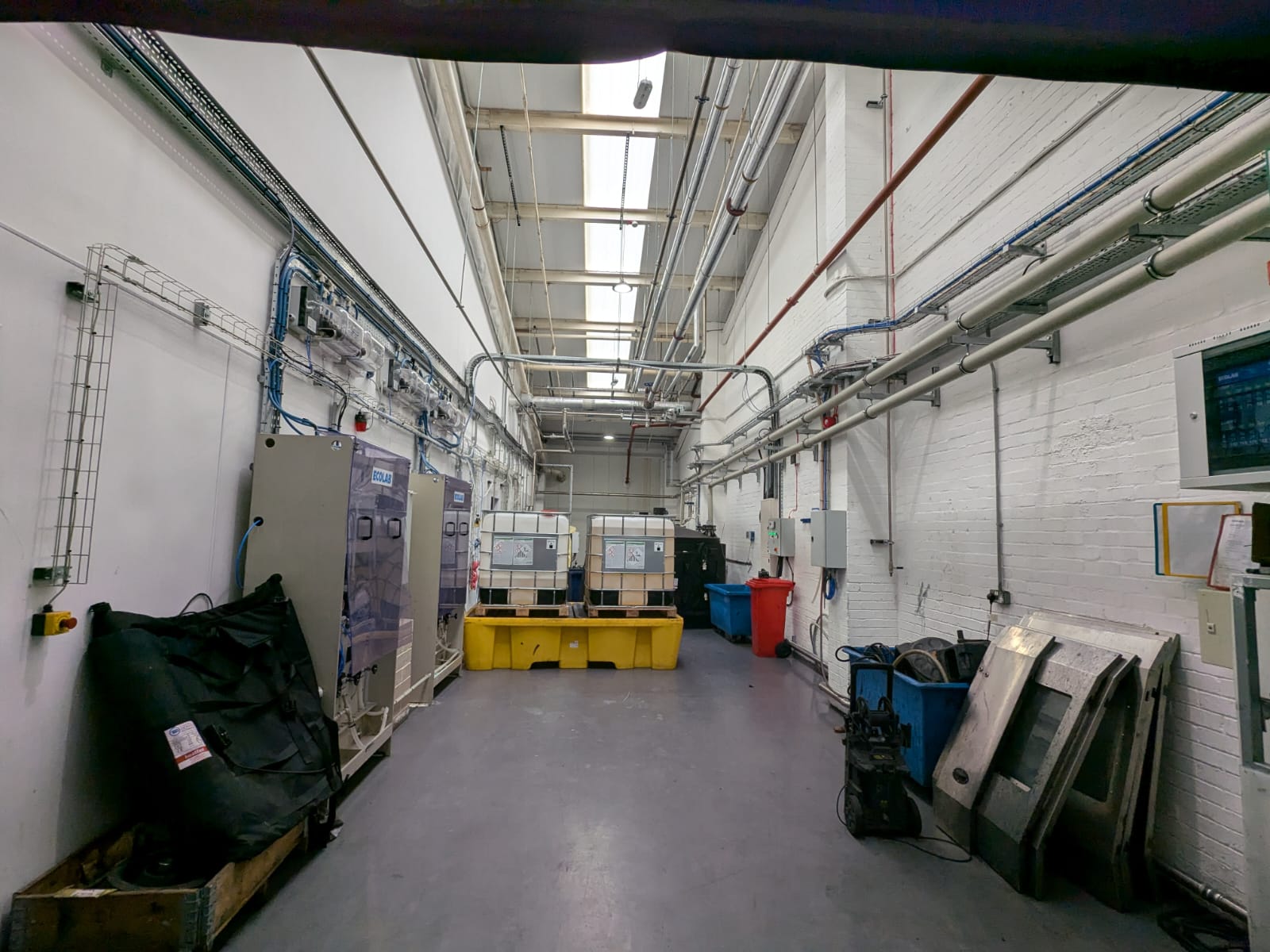
The client operated a busy production facility involving:
Material handling operations
Conveyor systems
Automated packing equipment
Drying processes
Effluent treatment activities
Forklift traffic
Management required an assessment to determine whether employees were exposed to noise levels above statutory action values and to identify appropriate controls.
Sysco Environmental's Approach
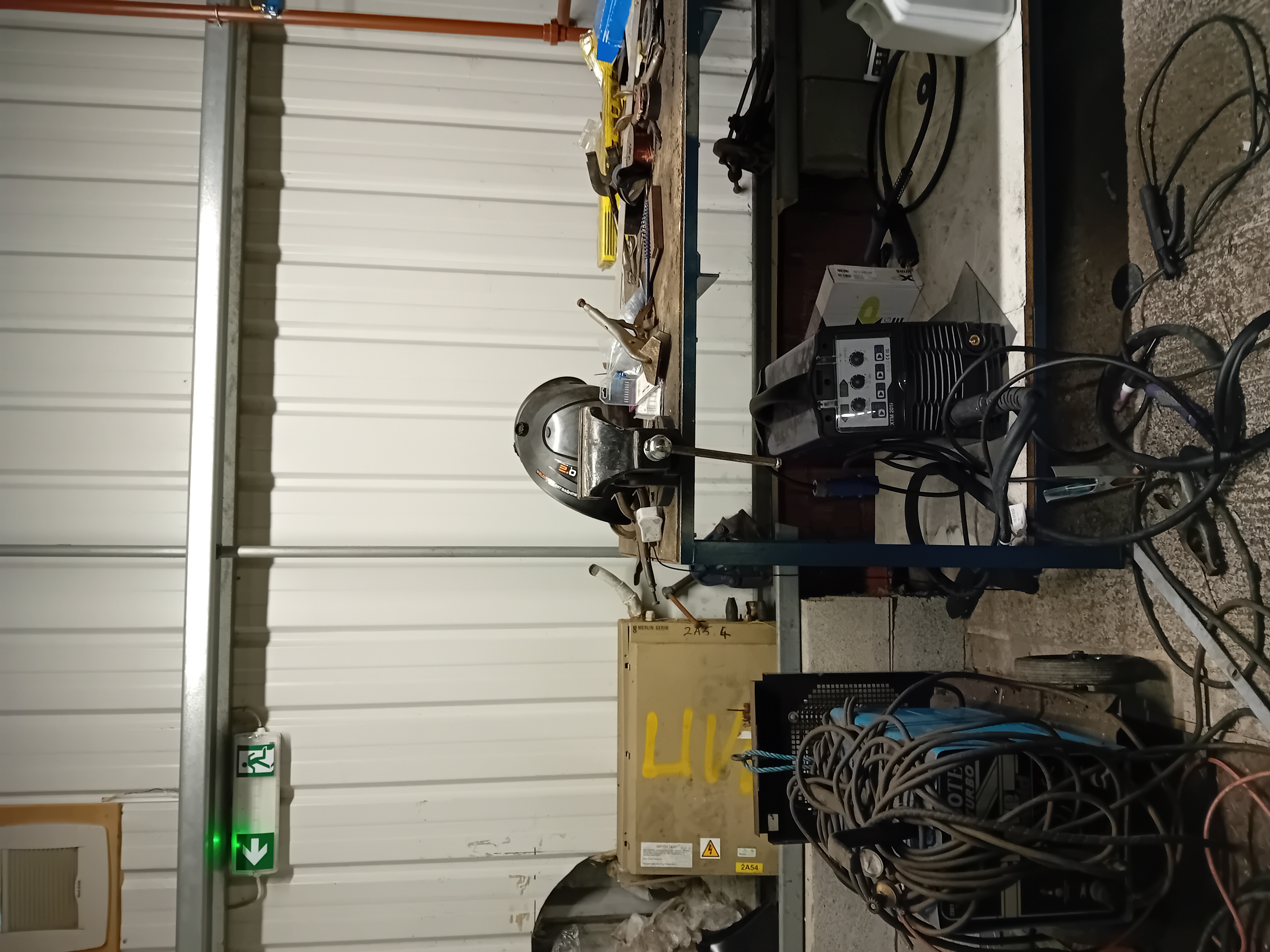
The assessment was completed in accordance with:
Personal noise dosimetry techniques
Precision sound level measurement methodology
Monitoring focused on:
Daily personal noise exposure (LEP,d)
Peak sound pressure exposure
Task-specific exposure activities
Hearing protection requirements
Existing control arrangements
Key Findings
Areas Exceeding Upper Exposure Action Values
Several operational areas exceeded the Upper Exposure Action Value of 85 dB(A), including:
Loading bay operations
Automated dry sack filling processes
Effluent treatment operations
The highest recorded exposure occurred within the automated packing area where personal exposure reached 90 dB(A) alongside peak levels of 144 dB(C).
Advisory Hearing Protection Zones
Additional production areas operated between the Lower and Upper Exposure Action Values and were designated advisory hearing protection zones.
Significant Exposure Sources
The assessment identified several key contributors to noise exposure:
Automated machinery
Movement of cages and containers
Forklift activity
Hydraulic lifting systems
Metal impact noise during loading and unloading operations
Recommendations Delivered
Sysco Environmental recommended:
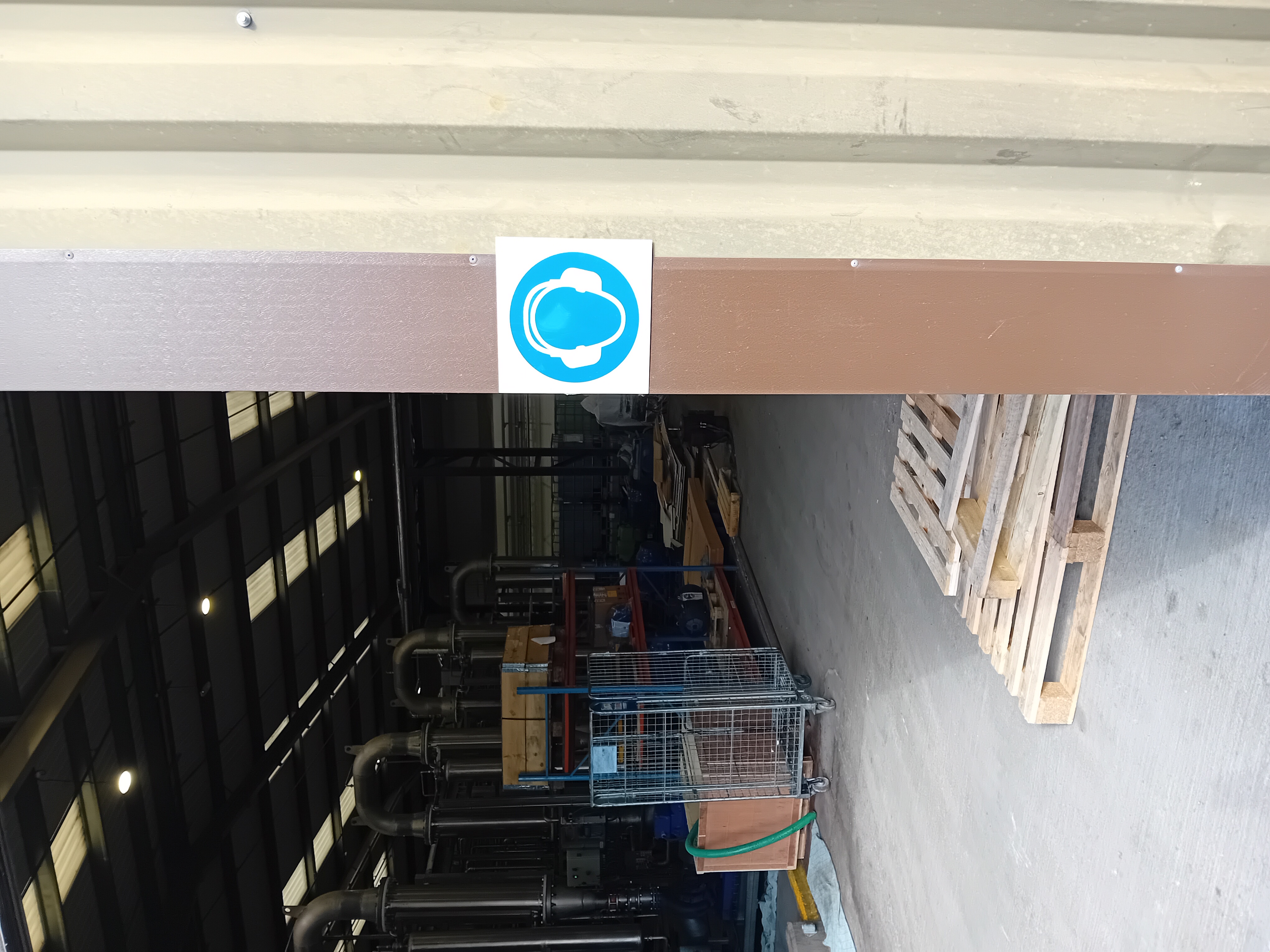
Designation of mandatory hearing protection zones
Enhanced enforcement of hearing protection use
Development of a Noise Action Plan
Employee rotation between noisy and quieter tasks
Continued audiometric health surveillance
Equipment maintenance programmes
Employee training and awareness initiatives
Outcome
The client received:
Clear identification of compliance obligations
Noise exposure profiles for all major operational areas
Evidence-based hearing protection requirements
Practical recommendations to reduce occupational noise risks
A foundation for long-term hearing conservation management
Services Delivered
Personal Noise Dosimetry
Hearing Protection Zone Designation
Audiometric Surveillance Recommendations
Occupational Hygiene Consultancy
Noise Action Planning