

Turning hidden mould risk into a compliance roadmap for a London dental practice
A London dental practice found persistent mould in a sterilisation area. Sysco Environmental identified the leak and humidity drivers, delivered targeted remediation and ventilation controls, and produced a clear compliance and maintenance plan.
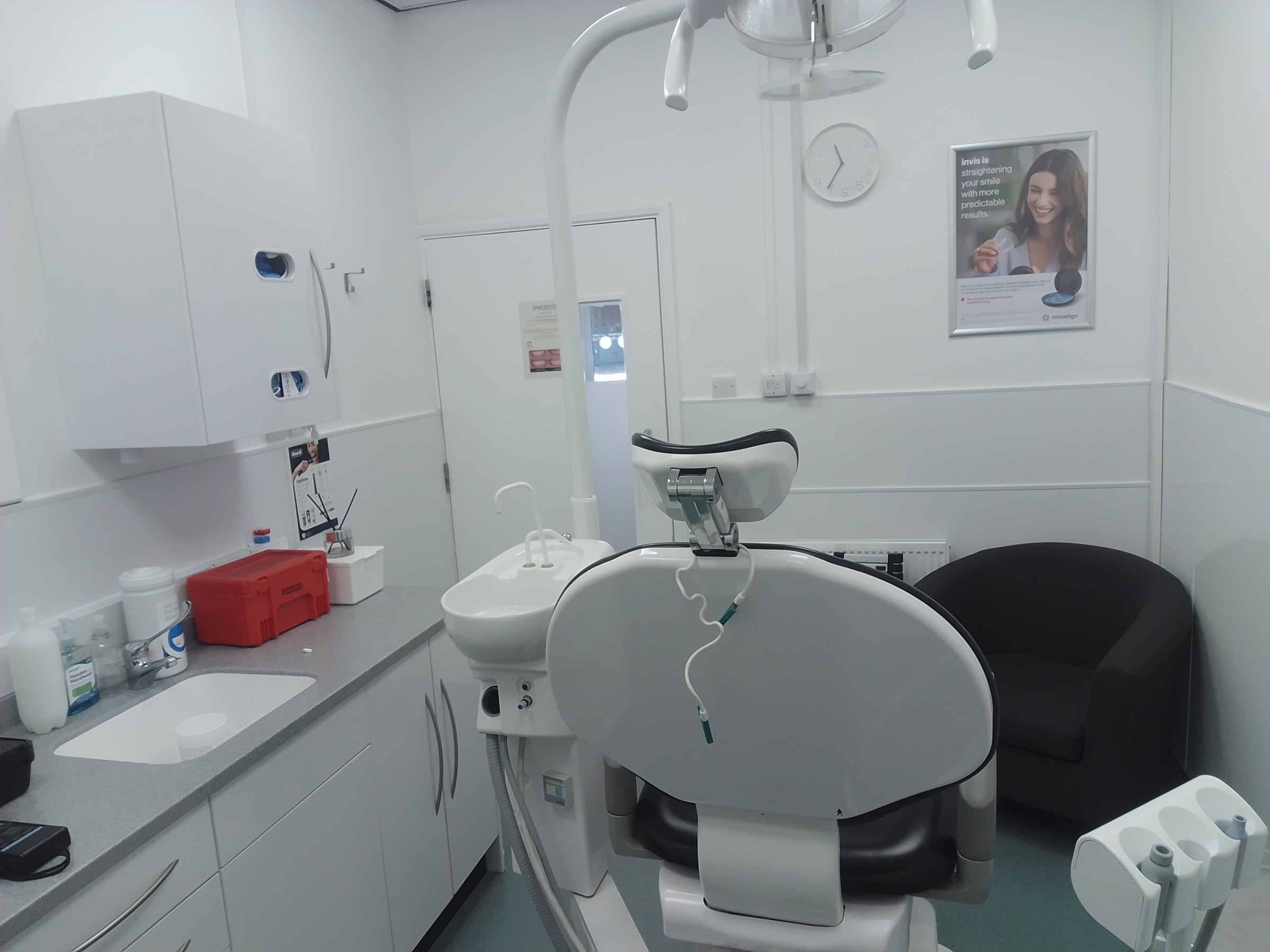
A medium-sized dental practice in central London reported recurring black mould stains and a musty odour in a lower-ground sterilisation room. Concern centred on patient safety, staff sickness and premises compliance. This damp and mould dental issue required an evidence-led inspection and a practical compliance roadmap the practice could present to its insurer and regulator.
The specific challenge identified
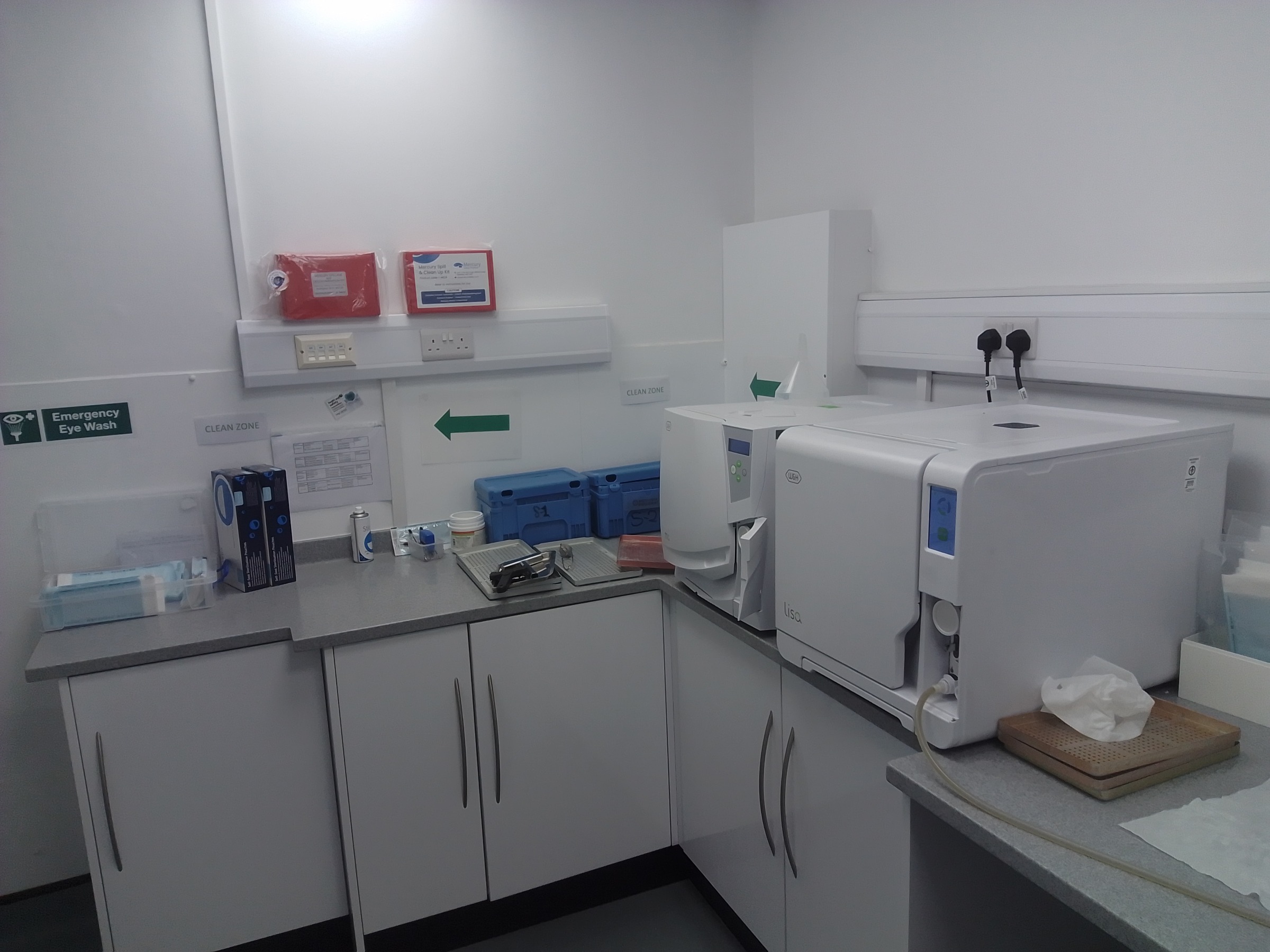
Visible mould appeared intermittently on plasterboard and joinery around the sterilisation room and adjacent storage. Problems were worse in colder months and after periods of high clinic throughput. The client required three outputs: a clear root-cause, a prioritised remediation programme that minimised clinical downtime, and documentary evidence to support internal records, insurers and inspectors.
Our investigative approach
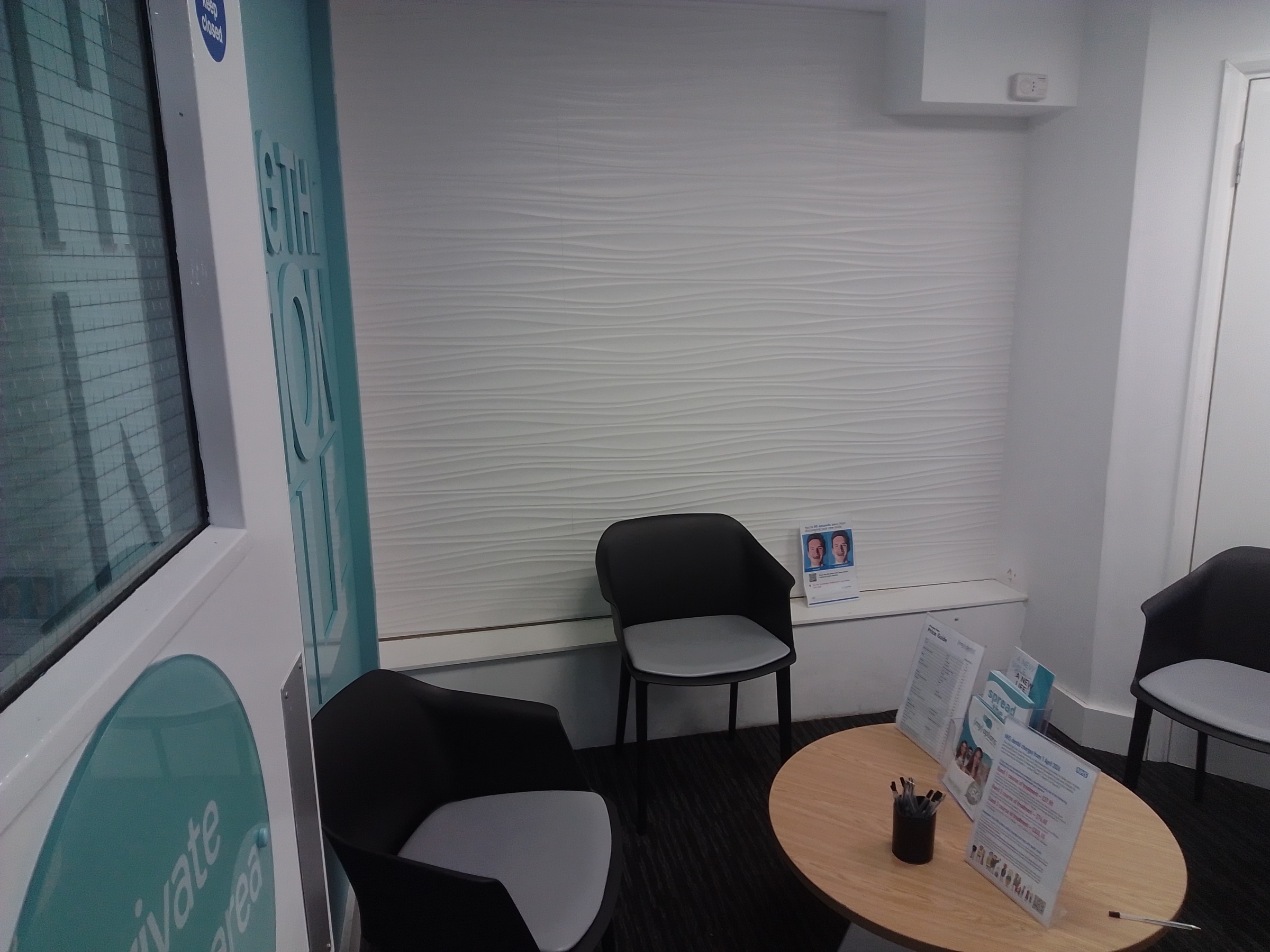
We used a proportionate, evidence-led approach aligned with HSE workplace health guidance and the practical controls in the WHO Housing and health guidelines. The investigation combined a focused visual survey with non-destructive moisture mapping, multi-day relative humidity logging, thermal imaging and targeted surface sampling where needed. Work was scheduled around clinic activity to avoid disruption and we kept the practice informed at each stage.
WHO Housing and health guidelines
What we did during the project
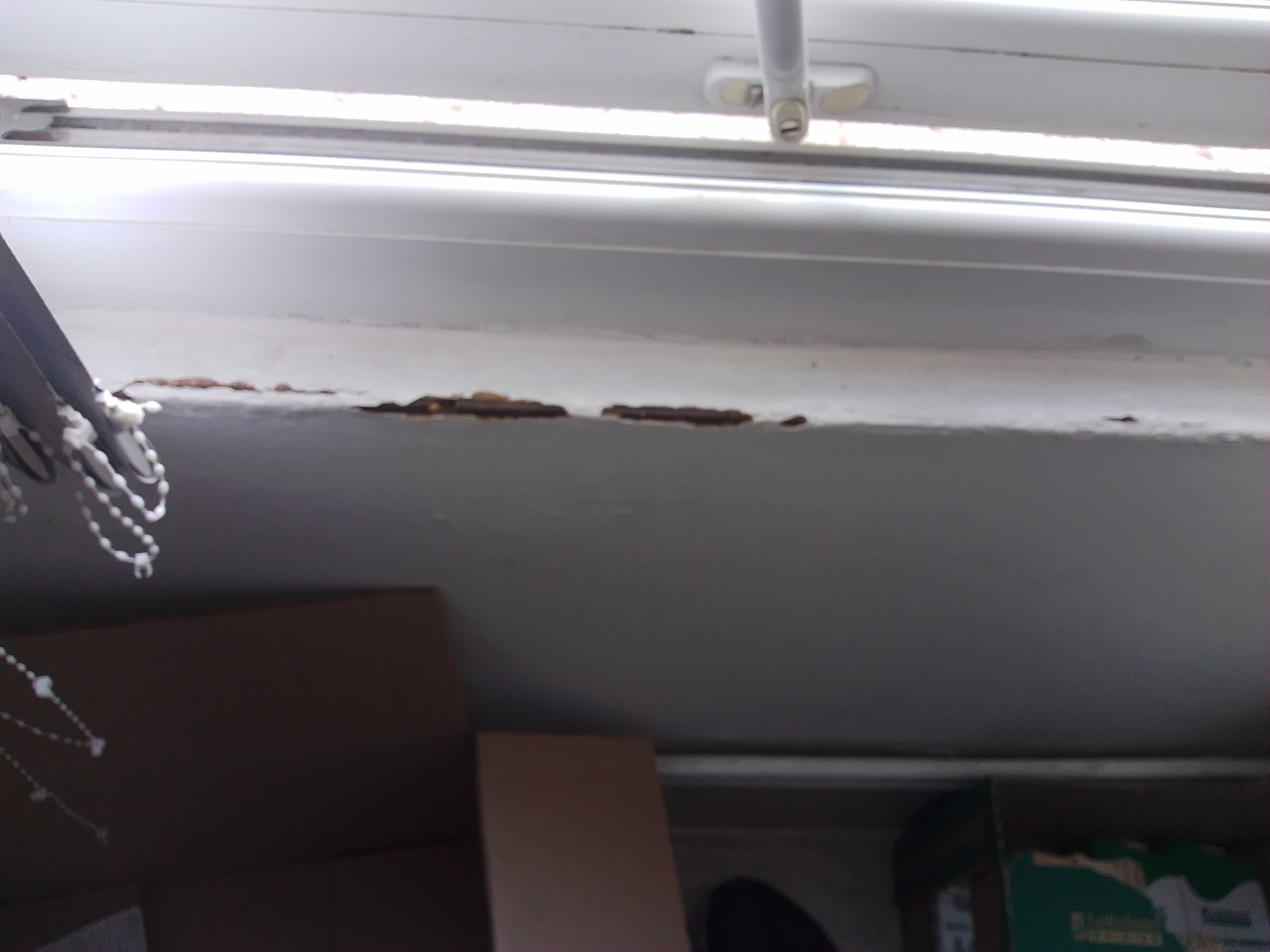
Fieldwork and follow-up comprised distinct stages:
- Visual inspection of the affected room, adjacent circulation spaces and services routes to trace likely moisture pathways.
- Moisture and humidity measurement using pin and surface moisture meters plus multi-day hygrometer logging. We recommended aiming for indoor relative humidity sustained below 60% in line with WHO guidance.
- Thermal imaging to reveal cold bridges and concealed pipework condensation without intrusive opening of walls.
- Targeted sampling of surfaces for microscopy where visual assessment could not distinguish historical staining from active fungal growth.
- Root-cause analysis which identified a poorly insulated section of HVAC ducting and an intermittent steriliser drain leak producing localised condensation and elevated humidity.
- Remediation specification with a staged, low-disruption plan: repair the drain, replace and seal affected plasterboard and joinery, treat residual fungal staining, add local extract ventilation, improve duct insulation and install humidity monitoring with alerts.
- Compliance pack including a written scope, photographic record, hygrometer data and a maintenance checklist for regulators and insurers.
Measured results and verification

Remedial works were completed alongside clinic hours using temporary containment. Within two weeks of repairs and commissioning of the extract system the practice recorded measurable improvements:
- Logged night-time relative humidity fell from sustained values above 70% to regular peaks below 55%.
- Follow-up visual inspection and surface checks found no active fungal growth and drying of affected substrates.
- The practice received a concise validation report and a pragmatic maintenance schedule so staff could monitor and prevent recurrence.
These actions aligned with workplace ventilation and infection control expectations set out by HSE and supported the practice's premises records.
Client takeaway and next steps
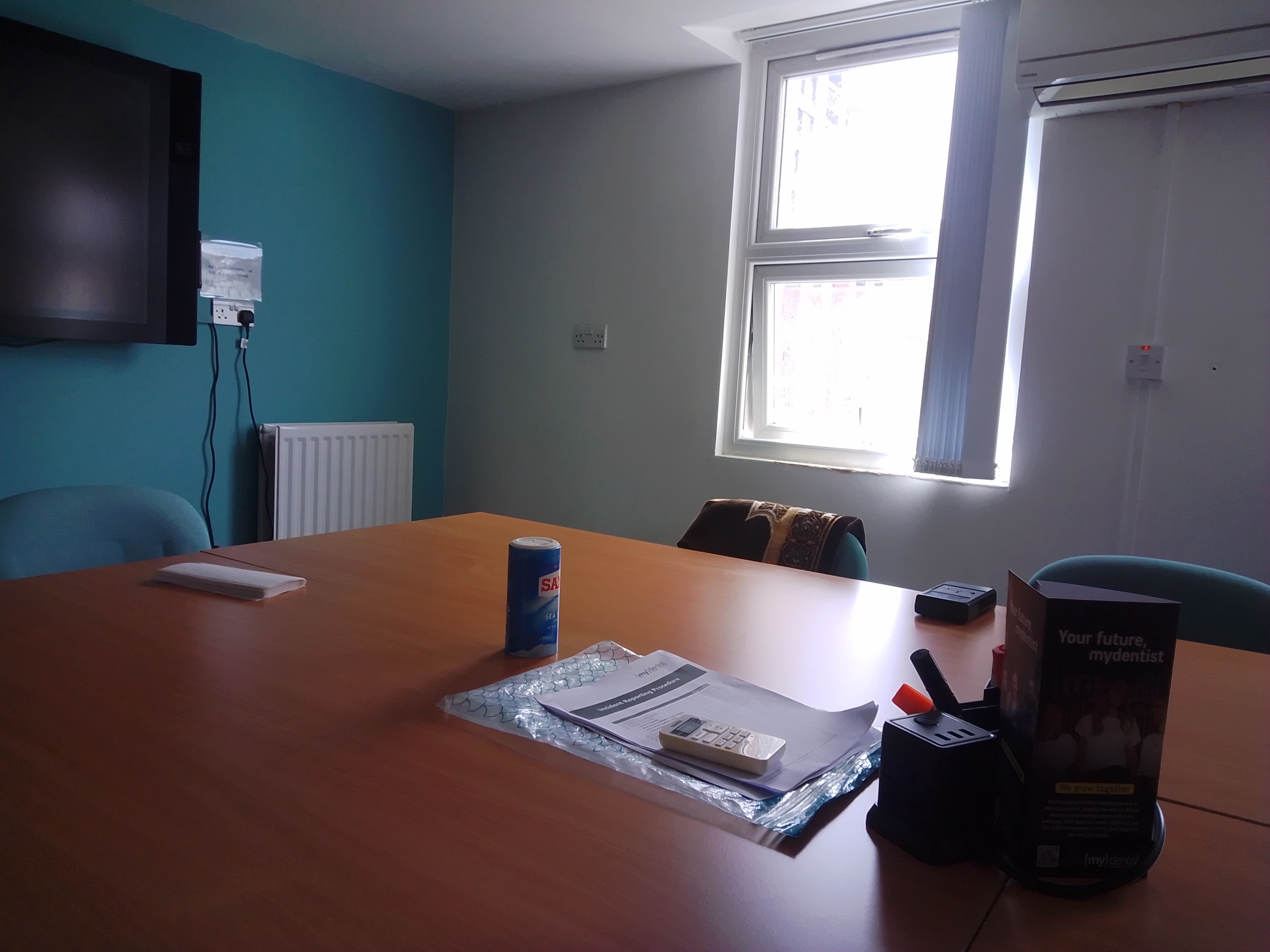
The practice gained a clear, defensible route from problem recognition to resolution. Key practical lessons documented for their team:
- Visible mould in clinical premises usually reflects an underlying moisture source; visual inspection should be supported by moisture logging before major strip-outs.
- Targeted fixes that address the moisture source and improve extraction can prevent repeated disruption and protect patients.
- Maintain records of inspections, moisture logs and remedial work; these form essential evidence for regulators and insurers.
We recommended ongoing humidity monitoring, scheduled checks of steriliser drainage and HVAC insulation, and an annual premises audit. For a basic self-check, monitor relative humidity overnight for a week and look for cold surfaces or water staining around equipment and ductwork. For regulatory guidance on damp and mould and workplace ventilation, see gov.uk and HSE.