

HSE issues £120k occupational asthma fine in July 2026
In July 2026 HSE fined a business £120,000 for failures to control dust that led to occupational asthma. This article explains what the enforcement means, employers' COSHH duties, and clear next steps for trades and small businesses.
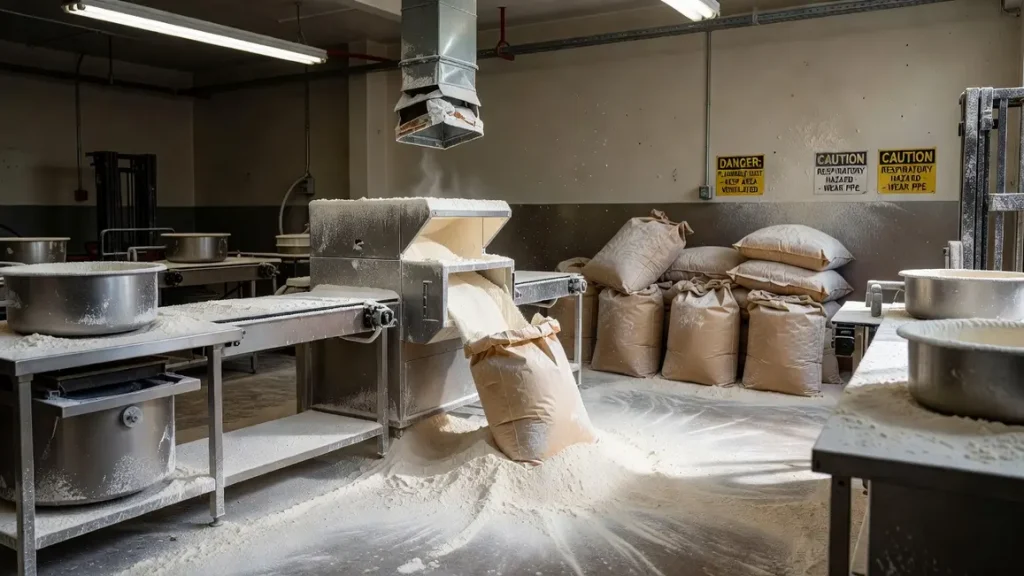
In July 2026 the Health and Safety Executive (HSE) issued a £120,000 fine after enforcement action relating to preventable workplace dust exposures and occupational asthma. The case highlights routine gaps we still see on site: incomplete COSHH assessments, inadequate engineering controls, missing exposure monitoring and no health surveillance. The outcome is a timely reminder for employers, contractors and small-scale employers that respiratory risks must be assessed and controlled, not left to chance.
This article summarises the enforcement context, what the law requires, and practical, evidence-led actions to reduce the risk of work-related asthma. Where statutory guidance is cited we reference HSE or other authoritative sources so you can follow up on exact requirements.
What happened in July 2026
HSE enforcement in July 2026 resulted in a £120,000 fine for breaches linked to the Control of Substances Hazardous to Health (COSHH). HSE action noted failures to identify hazardous dust, to measure or monitor exposures, and to implement effective controls and surveillance. HSE relates such failings directly to the development and exacerbation of occupational asthma; for background see HSE work-related asthma pages.
HSE publishes case details and guidance on enforcement and duty-holder responsibilities. Employers should treat enforcement outcomes as practical lessons rather than rare, isolated events.
Useful sources:
Why this HSE fine matters to employers

There are three practical reasons the case matters.
- Legal duty and enforcement Employers must assess and control substances hazardous to health under COSHH; failure can lead to enforcement, fines or prosecution (HSE).
- Health impact Occupational asthma can be disabling and long-lasting. Preventable dusts are a recognised cause and early action reduces harm (HSE).
- Operational cost Poor control leads to absence, treatment costs and reputational damage. Investment in controls is often cheaper than the downstream consequences.
HSE and occupational hygiene bodies such as the British Occupational Hygiene Society (BOHS) set out practical expectations: documented risk assessments, appropriate exposure monitoring, a clear hierarchy of controls and proportionate health surveillance where risks remain.
For a concise explanation of occupational hygiene practice and standards see BOHS materials at bohs.org.
Immediate actions for employers and trades
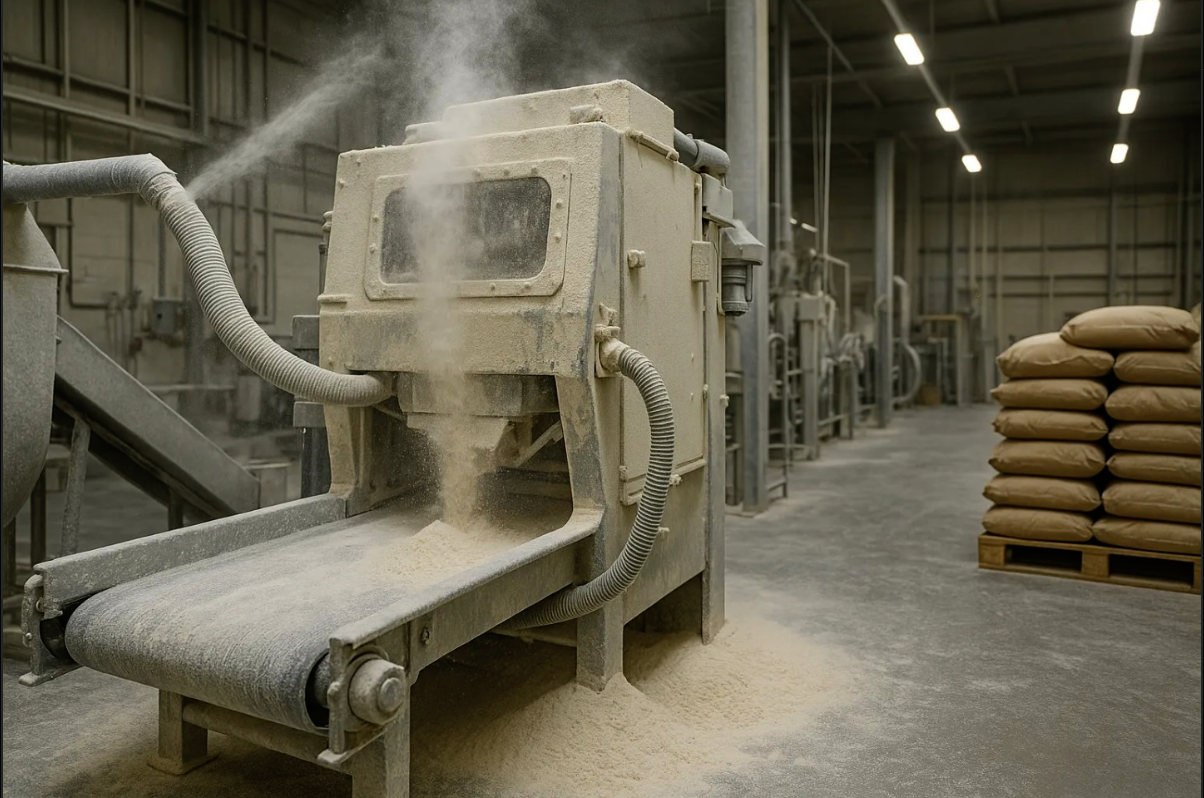
The following checklist sets out immediate, evidence-led steps. Use it to prioritise action and to decide when specialist help is required.
- Stop or control risky work: If work is producing visible dust or if workers report breathing problems, stop the task or move workers away until temporary controls are in place.
- Review COSHH assessments: Ensure assessments identify hazardous dusts and the routes of exposure. COSHH assessments must be written and proportionate (HSE).
- Measure exposures: Arrange area and, where appropriate, personal exposure monitoring. Objective data informs whether controls are effective and supports any enforcement defence.
- Apply the hierarchy of controls: Elimination or substitution where possible; engineering controls such as local exhaust ventilation (LEV); enclosure; safe work methods; and as a last resort, suitable respiratory protective equipment (RPE). HSE guidance makes clear RPE is the final step, not the first.
- Health surveillance: If hazardous dusts remain a risk, start appropriate health surveillance for workers. HSE explains when surveillance is required and what it should cover.
- Training and records: Train staff on the risks and controls, perform fit testing for tight-fitting RPE, and keep records of assessments, monitoring and maintenance.
- Seek specialist help: If assessments are uncertain, or if monitoring indicates uncontrolled exposures, appoint a competent occupational hygienist to carry out detailed surveys and write remedial specifications. BOHS and HSE provide guidance on competence standards.
If you are a small contractor or landlord organising trades on a property, ensure your subcontractors provide a clear COSHH assessment and evidence of appropriate controls before they start.
Sources: HSE COSHH guidance and HSE work-related asthma pages.
Key takeaways and recommended next steps
- Take the fine seriously: The £120k enforcement shows HSE will act where exposures and controls are demonstrably inadequate.
- Practical obligations: COSHH assessments, control measures, monitoring and health surveillance are core duties backed by HSE guidance.
- Prioritise engineering controls: Use LEV, enclosure and safe systems of work before relying on RPE.
- Get objective data: Exposure monitoring and documented records are essential for protection and for demonstrating compliance.
- Call an occupational hygienist: If you have doubts about risks or controls, commission a survey and a written report from a competent specialist.
Sysco Environmental provides independent occupational hygiene surveys, exposure monitoring and clear remedial recommendations for small businesses, trades and landlords. Contact a qualified hygienist if you need a COSHH review, exposure monitoring or a compliance report suitable for your records.