

Could Everyday Dust Trigger a Devastating Workplace Explosion?
Fine dust from ordinary materials can fuel a rapidly developing fire or explosion. Sysco Environmental sets out how UK dutyholders can identify combustible-dust hazards, meet DSEAR duties and build controls that work from production to maintenance and cleaning.
In Brief

- Dust from wood, food, plastics, chemicals, coal and some metals may be explosible when dispersed in air.
- The Dangerous Substances and Explosive Atmospheres Regulations 2002 require assessment, elimination or reduction of risk, area classification and suitable arrangements for accidents and emergencies.
- A clean-looking floor does not prove that hidden surfaces, extraction systems or plant interiors are safe.
- Control should prevent releases and ignition, limit accumulation, protect or isolate plant and mitigate explosion consequences.
- Representative sampling and competent laboratory testing may be necessary; assumptions based only on the bulk material are unsafe.
When a Familiar Material Becomes an Explosion Hazard

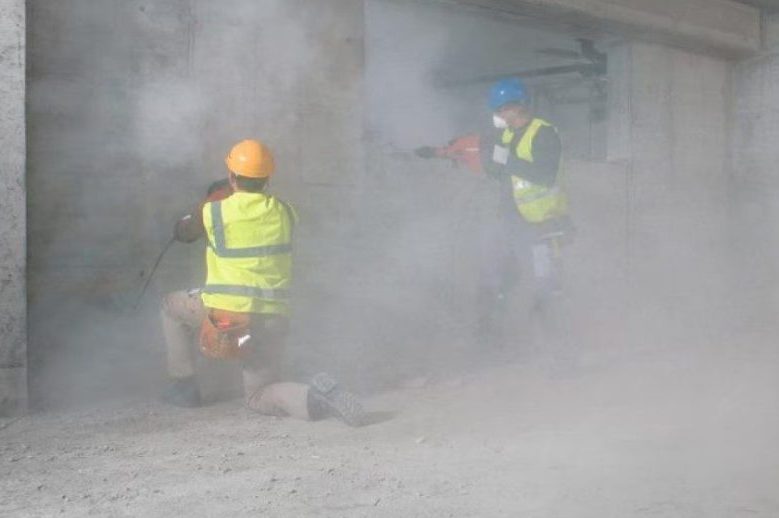
A solid that burns may become much more hazardous when divided into fine particles. A dispersed cloud exposes a large surface area to oxygen, allowing combustion to travel rapidly. In a confined or partly confined space, pressure can rise fast enough to rupture equipment or buildings. A small initial event can disturb deposited dust, creating a larger secondary cloud and a far more destructive explosion.
Examples include flour, sugar, grain, starch, wood, paper, rubber, many plastics and resins, coal, carbon products and certain metal powders. Material that is difficult to ignite as a lump may behave differently after grinding, sanding, conveying or attrition. Particle size, moisture, composition and contamination influence behaviour. “We have never had an explosion” is not evidence that the hazard is absent.
A fire triangle is insufficient for understanding dust explosion. The familiar fuel, oxygen and ignition source are joined by dispersion and confinement. Removing any element can prevent an explosion, but industrial processes often create several simultaneously: a mill generates fine dust, a conveyor disperses it, equipment encloses it and a hot bearing supplies ignition.
UK Duties Under DSEAR
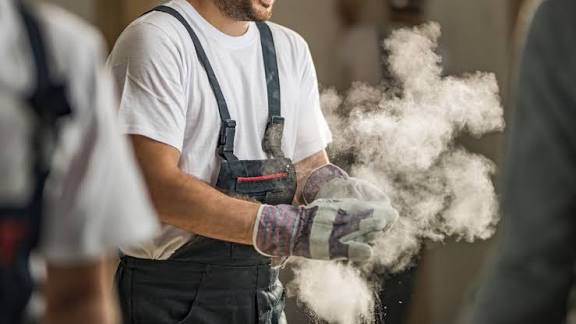
The Dangerous Substances and Explosive Atmospheres Regulations 2002 — DSEAR — apply where a dangerous substance could put people at risk from fire, explosion or similar energetic events. Employers and self-employed people must identify dangerous substances, assess the risk and eliminate it so far as reasonably practicable. Where elimination is not reasonably practicable, risks must be reduced and controlled.
The assessment should consider hazardous properties; supplier information; work processes and interactions; quantity; arrangements for handling, storage and transport; high-risk activities such as maintenance; the likelihood of an explosive atmosphere; potential ignition sources, including electrostatic discharge; and the scale of anticipated effects. Findings must be recorded where five or more people are employed and kept up to date.
Where explosive atmospheres may occur in quantities requiring special precautions, places must be classified into hazardous zones. Equipment and protective systems must be suitable for the zone, and locations should be identified where necessary. Classification is an outcome of understanding credible releases and ventilation; it is not simply a drawing exercise performed after equipment has been purchased.
DSEAR sits alongside the Health and Safety at Work etc. Act 1974, the Management Regulations, PUWER, COSHH and other duties. COSHH addresses health risks from inhalation or skin exposure, whereas DSEAR addresses fire and explosion. The same dust may require both assessments, different measurements and a coordinated control strategy.
Establish Whether the Dust Can Burn or Explode

Begin with an inventory of materials and tasks that generate fine particulate. Review raw materials, intermediates, finished products, waste, recycled streams and residues. Include infrequent activities such as emptying collectors, vacuuming, filter changes, maintenance and clearing blockages. Walk the full route from receipt to disposal and inspect elevated surfaces, cable trays, roof members, voids and the inside of extraction equipment.
Safety data sheets can provide useful clues but may not characterise process-generated dust. A sheet for a solid board, pellet or granule may say little about the fine fraction created during cutting or abrasion. If reliable data are unavailable, representative material should be tested by a competent laboratory. Sampling must reflect the dust actually present; selecting an unrepresentative coarse sample can understate risk.
Different tests answer different questions. Screening can indicate whether a dust is explosible. Further data may include maximum explosion pressure, rate of pressure rise or Kst, minimum ignition energy, minimum ignition temperature of a cloud or layer, and limiting oxygen concentration. These values support decisions about ignition control, equipment design, venting or suppression. They are not interchangeable, and a single label such as “St 1” does not define a safe operating condition.
Consider hybrids. A combustible gas or vapour mixed with dust can ignite more readily than either hazard considered in isolation. Also examine possible changes in moisture, formulation, particle size and contamination. Management of change should trigger review before a new material or process setting enters production.
Understand Releases, Accumulation and Consequence
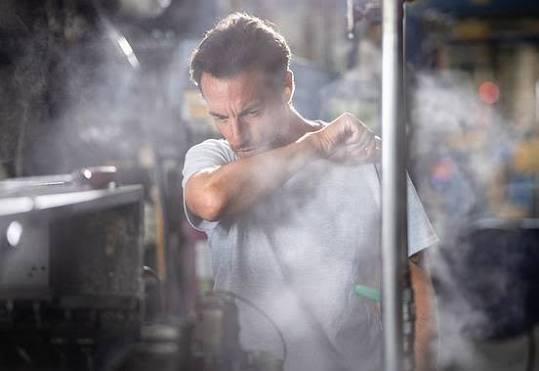
Map normal and foreseeable abnormal releases: transfer points, open charging, flexible connections, seals, discharge stations, filters, elevators and packaging. Note frequency, duration, concentration and ventilation. Look for evidence such as dust trails, damaged ducting, recurring housekeeping needs and visible emissions. Deposits are stored fuel and can also indicate ineffective containment.
The consequence assessment should extend beyond the item of plant. Could pressure or flame propagate through connected ducts? Could vent discharge endanger an occupied area? Would an initial explosion shake dust from beams and cause a secondary event? Are escape routes, control rooms or neighbouring operations exposed? Building layout and occupancy affect risk just as much as the process vessel.
Ignition-source review should cover hot surfaces, flames, hot work, smoking, mechanical friction, impact sparks, electrical equipment, static electricity and self-heating. Earthing and bonding may be important, but continuity must be designed, maintained and verified. Some metal dusts react dangerously with water, so a generic cleaning or extinguishing method can introduce another hazard.
Prevent Dust Escaping and Accumulating
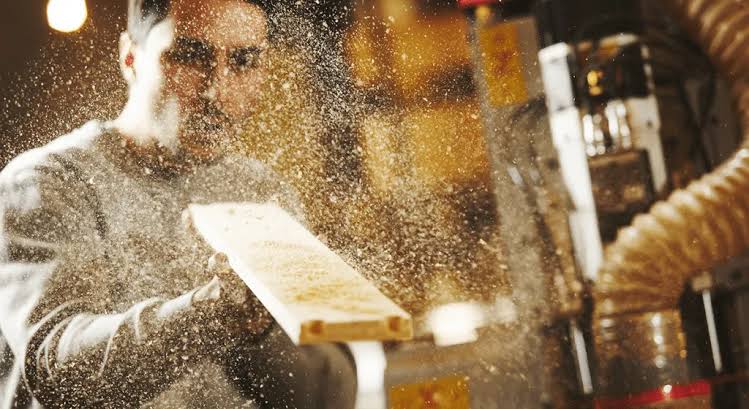
The strongest approach is to eliminate combustible material or avoid creating a fine fraction. Where this is not possible, contain transfers and provide correctly designed local exhaust ventilation. Extraction should capture dust at the point of generation, maintain adequate transport velocity and discharge to a safe collection system. Commissioning and thorough examination are important, but operators also need simple checks that show whether capture remains effective.
Minimise horizontal ledges and inaccessible surfaces during design. Seal penetrations and maintain enclosures. Good housekeeping supports process control; it does not replace it. Establish cleaning frequencies from the rate of accumulation and risk, with inspection standards and responsible persons. Include high levels and concealed areas.
Use industrial vacuum equipment suitable for the hazardous material and classified area. Sweeping and compressed-air cleaning can disperse deposits into an explosive cloud and should normally be avoided. If a specialist method is proposed, it needs a task-specific assessment and strict control. Disposal arrangements must prevent the collected dust being released again.
Control Ignition and Protect the Plant
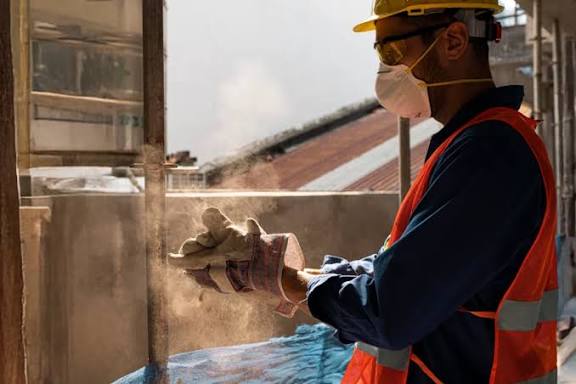
Once hazardous zones have been determined, select electrical and mechanical equipment suitable for the atmosphere and its dust group and temperature requirements. Existing equipment needs verification, not assumption. Control non-electrical ignition through bearing-temperature monitoring, speed or alignment detection, maintenance, removal of tramp metal and suitable tools where required.
Hot work demands robust control. A permit is only one part of the system: isolate the process, remove combustible deposits, inspect connected or concealed areas, control sparks, provide appropriate fire watch and confirm a safe post-work monitoring period. Contractors must receive accurate information about zoned areas and dust hazards.
Explosion protection may include venting, suppression, containment and isolation. These measures require specialist design using relevant material data and credible scenarios. Vent panels must discharge to a safe place. Flameless venting has limitations. Isolation is vital because an explosion can travel through ductwork into another vessel or workspace. Protective systems need inspection and maintenance throughout their life.
Emergency Planning, People and Assurance
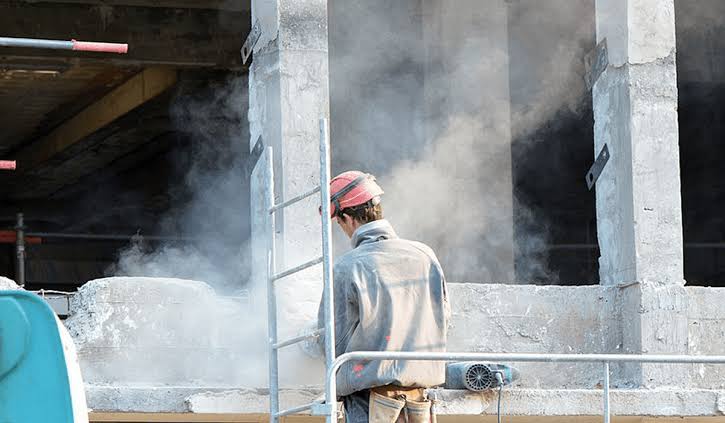
DSEAR requires appropriate arrangements for accidents, incidents and emergencies. Plans should address alarm, shutdown, evacuation, firefighting limitations, first aid, communication with emergency services and the possibility of secondary explosion. Provide information and training about the dangerous substances, significant findings and precautions. Exercises should test whether people can act under realistic conditions.
Inspect controls using a documented schedule. Trend dust releases, filter differential pressure, extraction faults, damaged seals, bonding failures and housekeeping findings. Investigate small fires, smouldering deposits and unusual heating as warning events. Review the assessment after changes, incidents, test results or evidence that controls are no longer effective.
Sysco Environmental can assist with occupational-hygiene investigation, dust sampling and the evidence needed to inform a competent DSEAR assessment. Explosion-risk design and verification should involve specialists with appropriate competence. The goal is a traceable chain from material behaviour and release scenario to preventive, protective and organisational controls.
Combustible dust is manageable when it is treated as a process-safety hazard rather than a cleaning problem. Know the dust, contain it, remove ignition sources, limit consequences and keep testing whether the system works.
That discipline should extend to procurement: new equipment, filters and connecting ductwork should be reviewed against the existing explosion-safety concept before installation.