

COSHH Air Monitoring for Industrial Laundry Facility | Hazardous Substance Assessment Case Study
A leading industrial laundry and textile processing facility commissioned Sysco Environmental to undertake a comprehensive workplace exposure monitoring programme under COSHH Regulations. The assessment identified exposure to inhalable dust, volatile organic compounds (VOCs), benzene and toluene, enabling the client to prioritise controls and demonstrate regulatory compliance.
The Challenge
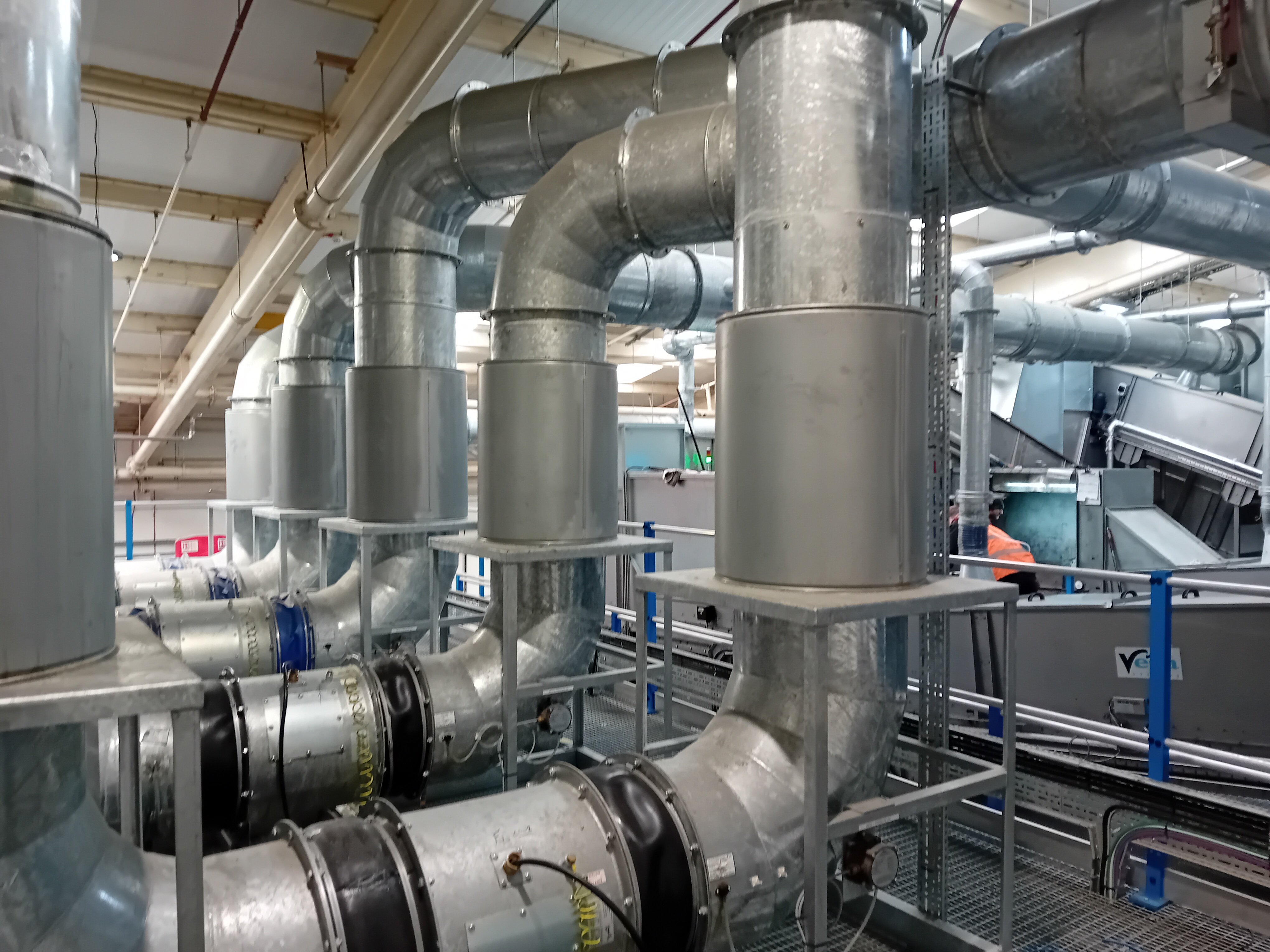
Industrial laundering operations often involve exposure to a mixture of dusts, solvents, hydrocarbons and chemical residues transferred from customer garments and textiles.
The client required a detailed occupational hygiene assessment to:
Evaluate employee exposure to airborne contaminants
Demonstrate compliance with COSHH Regulations 2002
Identify areas where exposure controls could be improved
Support ongoing health and safety management
The assessment covered:
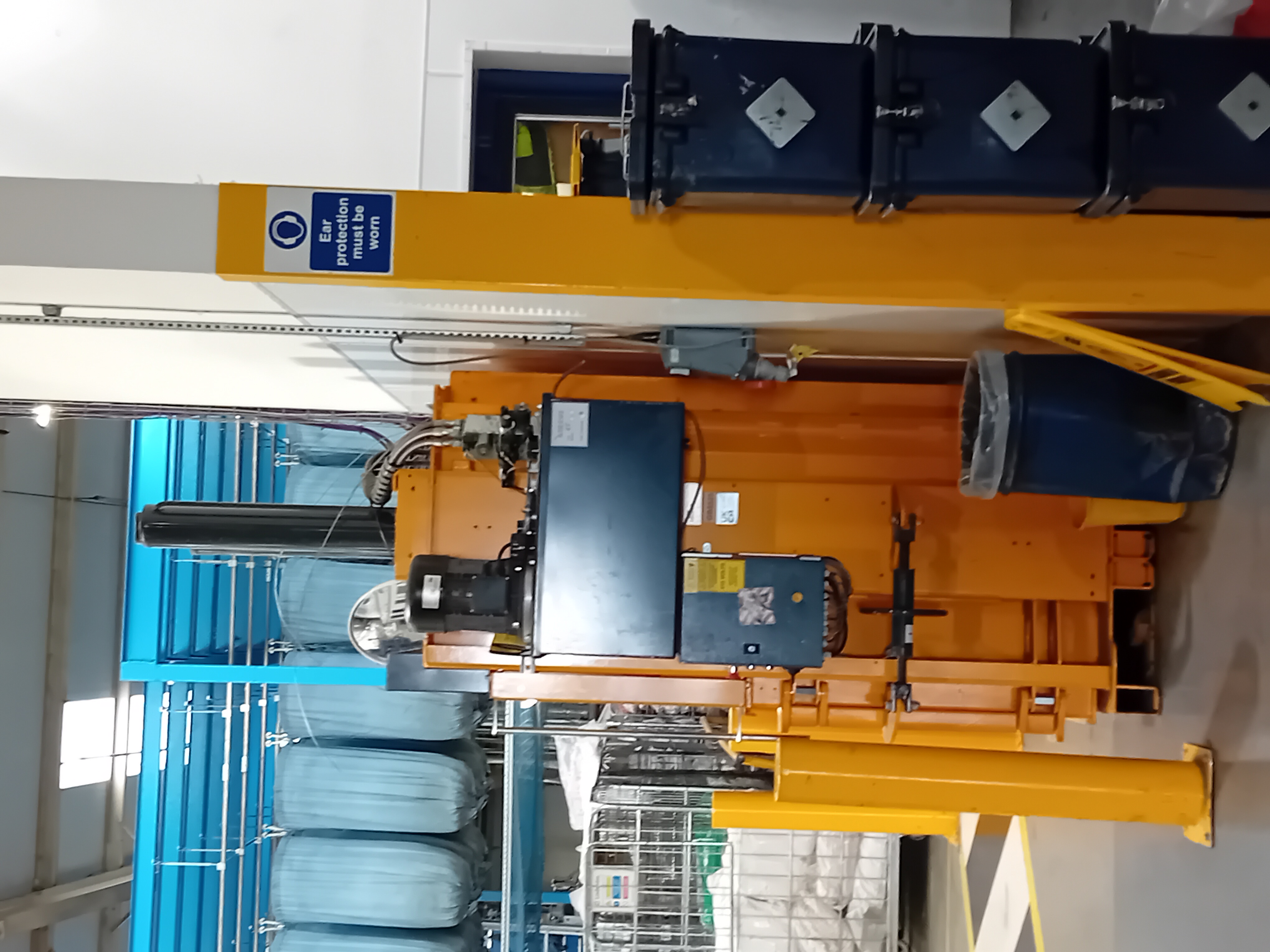
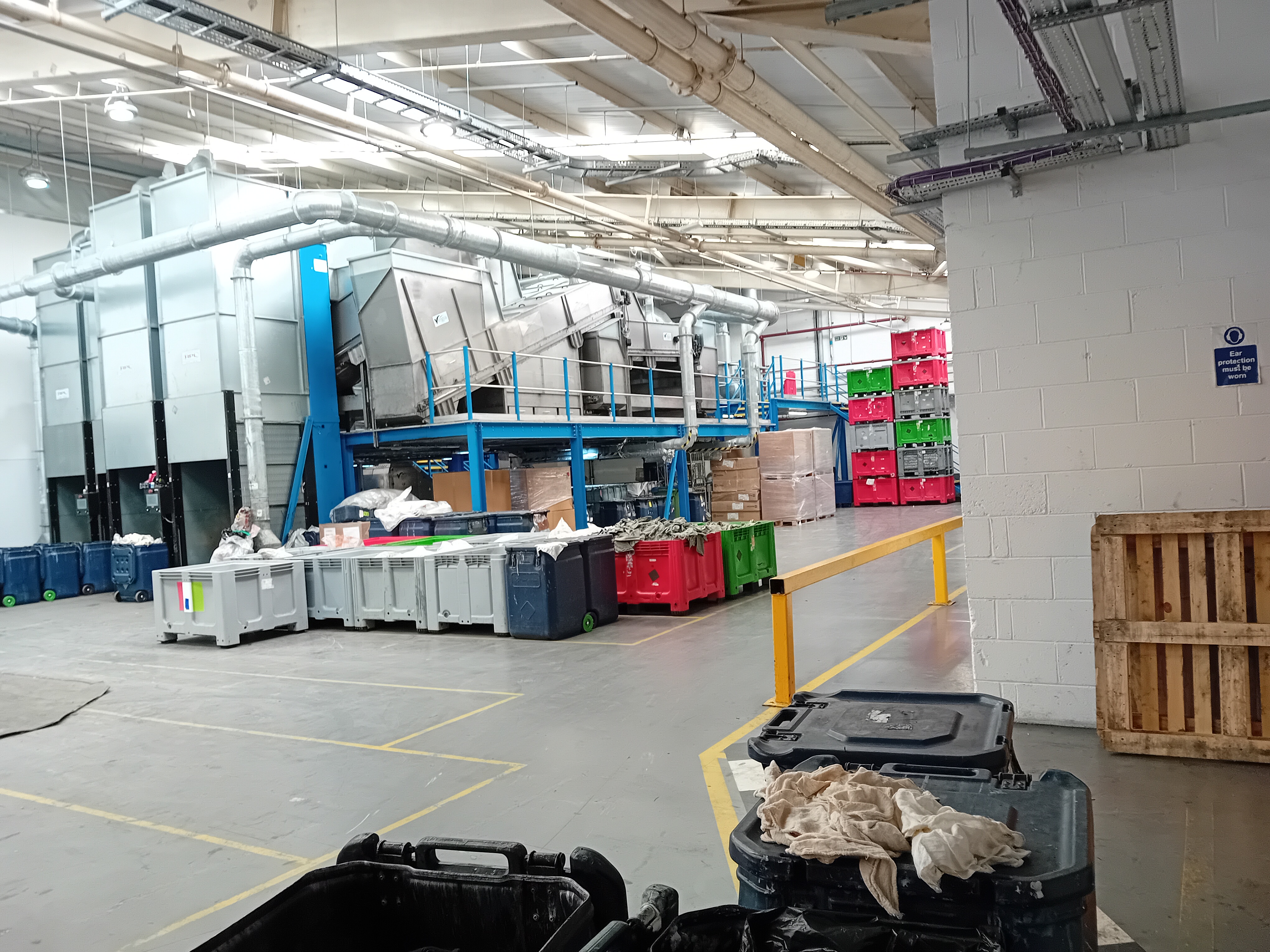
Soiled product receiving areas
Product sorting operations
Clean sorting and packing areas
Effluent processing operations
Chemical storage locations
Sysco Environmental's Approach
Sysco Environmental designed and implemented a workplace air monitoring programme in accordance with:
COSHH Regulation 10 (Air Monitoring)
HSE Methods for the Determination of Hazardous Substances (MDHS)
The assessment included:
Personal exposure monitoring
Static area monitoring
Dust sampling
Volatile Organic Compound (VOC) monitoring
Assessment of existing control measures
Workplace observations and employee exposure profiling
Key Findings
The monitoring programme identified:
Airborne Dust
Personal inhalable dust exposures remained well below applicable Workplace Exposure Limits, demonstrating effective general control of dust-generating activities.
Solvent Exposure
A range of VOCs were detected, including:
Toluene
Ethyl acetate
Acetone
Xylene
Aromatic hydrocarbon compounds
While measured concentrations remained below Workplace Exposure Limits, several substances exceeded the significance threshold for denoted substances and required further consideration.
Benzene Identification
Static monitoring around a dry sack filling operation identified airborne benzene concentrations that represented approximately 25% of the relevant Workplace Exposure Limit.
Although personal exposure was expected to be lower than static measurements suggested, the presence of a carcinogenic substance required further investigation and control review.
Recommendations Delivered
Sysco Environmental provided a practical action plan including:
Investigation of benzene sources within the dry sack filling process
Review and upgrade of respiratory protective equipment (RPE)
Face-fit testing programme implementation
Introduction of HEPA-filtered vacuum cleaning methods
Elimination of dry sweeping practices
Installation of Local Exhaust Ventilation (LEV) within workshop operations
Enhanced workplace hygiene controls
Outcomes
The assessment provided the client with:
Defensible occupational exposure data
Evidence of COSHH compliance
Prioritised risk reduction actions
Improved understanding of solvent exposure pathways
Clear recommendations for reducing future exposure risks
By combining exposure monitoring with practical occupational hygiene advice, Sysco Environmental enabled the client to take proactive action before exposures became regulatory concerns.
Services Delivered
VOC Monitoring
Inhalable Dust Monitoring
Occupational Hygiene Consultancy
Respiratory Protection Advice
LEV Recommendations