

Can You Plan Exposure Out of Your Next Shutdown?
Plant turnarounds concentrate unfamiliar tasks, contractors and changing hazards into a compressed programme. Integrating occupational hygiene into planning helps prevent exposure, avoid control conflicts and obtain useful evidence without delaying critical work.
In Brief

- Turnaround exposure risks should be identified while work packs, sequencing, isolation and contractor resources can still be changed.
- Monitoring is not the plan. Elimination, containment, ventilation, suitable methods, competence and welfare arrangements must be designed first.
- The occupational hygiene plan must adapt as equipment is opened, residues are disturbed, simultaneous operations change and the plant moves towards start-up.
A shutdown can make hazardous conditions less routine precisely when the workforce and programme are under pressure. Plant is opened, deposits are disturbed and temporary equipment is introduced. Specialist contractors may be unfamiliar with the site, while several trades work in close proximity.
Health hazards rarely occur alone. A worker removing refractory may face dust, noise, heat, awkward posture and residues. A welder may encounter fume, radiation, hot work and oxygen displacement. Protective clothing selected for chemical risk can increase thermal strain.
At Sysco Environmental, we recommend involving occupational hygiene before the programme is fixed. Early advice preserves options. Late monitoring may document a problem after the work method, budget and schedule have become difficult to change.
Treat Turnaround Planning as Exposure Prevention
UK employers must assess and control risks to workers and others affected by their activities. COSHH requires hazardous-substance exposure to be prevented where reasonably practicable or adequately controlled. Other topic-specific requirements may apply to noise, asbestos, lead, confined spaces, work equipment, vibration and personal protective equipment.
Where shutdown work constitutes construction, the Construction (Design and Management) Regulations 2015 may also shape planning, cooperation and coordination. The precise application depends on the work, so responsibilities should be established rather than assumed.
The host organisation retains essential knowledge of the plant and process even when work is outsourced. HSE’s human-factors guidance emphasises competent contractor selection, coordination and retention of sufficient client knowledge to manage safe operations.
Start with Scope and Process Knowledge
Create an exposure register from the intended work scope. Useful inputs include:
- process descriptions and inventories;
- safety data sheets and previous COSHH assessments;
- equipment histories, residues and corrosion products;
- drawings, isolation plans and confined-space registers;
- earlier monitoring and health-surveillance information;
- incident, near-miss and exposure records;
- contractor methods and proposed substances;
- asbestos and lead information where relevant; and
- lessons from previous shutdowns and start-ups.
Do not restrict the register to normal process chemicals. Turnarounds introduce welding fume, cleaning agents, coatings, diesel exhaust, temporary generators, abrasive dust, insulation fibres, noise and biological contamination. Opening equipment can reveal degraded or unexpected material not represented by a current safety data sheet.
Translate the Register into Work-Pack Controls
Each relevant work pack should state the health hazards, routes of exposure, people affected and required controls. Integrate these requirements with isolations, access, equipment, competence, permits and rescue rather than attaching a generic hygiene note.
Questions to resolve during planning include:
- Can inspection, cleaning or removal be done remotely?
- Can hazardous residues be drained, flushed or decontaminated before opening?
- Can a lower-fume, lower-dust or lower-noise method be specified?
- What containment and extraction will fit around the component?
- Where will extracted contaminants discharge?
- Will temporary ventilation conflict with gas testing, welding screens or neighbouring work?
- What RPE and PPE are required, and what heat or communication burden will they introduce?
- How will waste be contained and transferred?
- What monitoring result would change the method or stop the work?
- direct-reading instruments for rapidly changing gases or vapours;
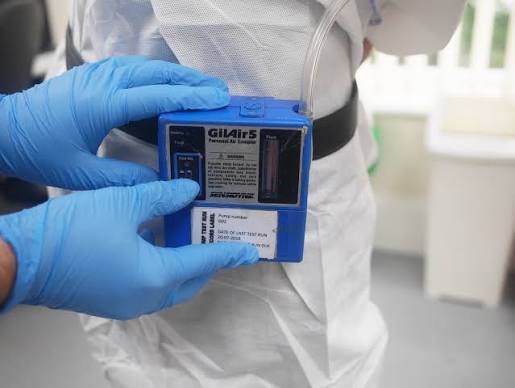
- personal sampling for inhalable or respirable dust, fume or specific substances;
- area or perimeter monitoring for migration and bystander risk;
- noise dosimetry and task measurements;
- heat-stress assessment; and
- qualitative checks such as smoke visualisation or dust-lamp observation.
- tasks beginning or changing;
- open plant and altered isolations;
- monitoring results and exceedances;
- control failures or worker symptoms;
- weather and heat conditions;
- simultaneous operations and access restrictions; and
- rescue, emergency and welfare capability.
Controls should be costed and scheduled. Extraction, power supplies, welfare areas, laboratory analysis, fit testing and specialist staff cannot be assumed to appear when the job starts.
Build a Risk-Based Monitoring Strategy
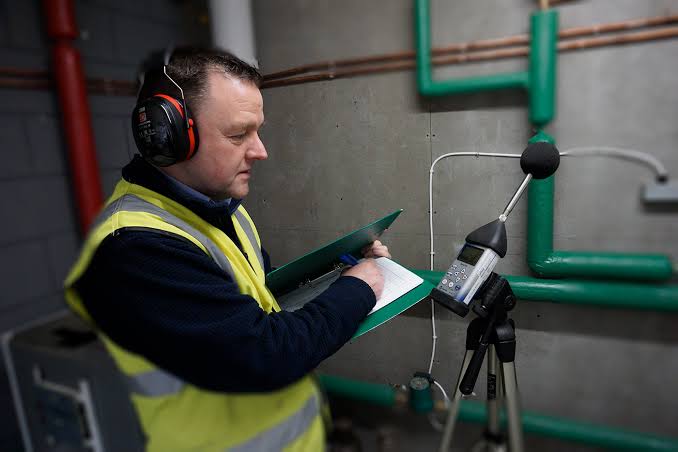
Monitoring should answer defined questions. It may be used to establish baseline conditions, characterise personal exposure, check containment, verify LEV, investigate an alarm or confirm that an area is suitable for release.
Prioritise tasks by potential severity, uncertainty, number of people affected, duration and reliability of existing controls. Consider similar exposure groups only where workers genuinely share comparable tasks and conditions.
The strategy may combine:
Define sampling methods, analytical laboratories, reporting times and decision criteria in advance. A result delivered after the relevant work is complete may help future planning but cannot protect the current shift.
Set decisions before results arrive
For each monitoring activity, record the action associated with the result. A direct-reading alarm may require immediate evacuation, while a laboratory result may trigger improved containment, different RPE or additional sampling. Identify who receives urgent results outside normal hours and who has authority to stop or modify the job.
Plan for uncertainty and failed samples. Pumps can be damaged, workers may change tasks and laboratories may be unable to meet the intended turnaround. Collect enough contextual information—task duration, controls, weather, production state and unusual events—to decide whether a sample remains representative. A numerical result without this context can be misleading.
Communicate relevant findings promptly to the affected workforce. Explain what was measured, how the result compares with the assessment criteria and what action follows. Monitoring should strengthen trust and control, not become an unexplained device attached to a worker for a shift.
Manage Opening, Cleaning and Confined-Space Work

Breaking containment is a critical transition. Confirm process isolation, depressurisation, draining, flushing and atmosphere before opening. Expect pockets of residue and dead legs. The first opening may need additional exclusion, ventilation, protective equipment and emergency readiness.
If a task meets the definition of confined-space work, entry should be avoided where reasonably practicable. Unavoidable entry requires a safe system and suitable rescue arrangements before entry. Atmospheric testing should be representative and should continue where conditions may change.
Cleaning can reduce later exposure but may transfer risk to the cleaning crew. High-pressure methods, solvents and disturbance of dry deposits can generate new aerosols or splash hazards. Assess the complete method, including waste handling.
Control Welding, Cutting and Other Generated Hazards
Cutting, grinding and refractory removal may generate silica-containing or metal dust. Use controlled methods, extraction and containment. Dry sweeping and compressed-air cleaning can redistribute contamination and should not be the default housekeeping method.
Temporary engines and vehicles can introduce carbon monoxide and diesel exhaust into poorly ventilated areas. Their position, exhaust route and operating time should be planned with changing wind and enclosure conditions in mind.
Account for Noise and Heat as Interacting Exposures
Shutdown noise is variable and may arise from simultaneous tools, impact work, venting and temporary plant. Personal dosimetry can identify the tasks driving exposure, while source measurements support engineering control. Hearing protection must not compromise essential communication without suitable compensating arrangements.
Heat risk depends on air and radiant temperature, humidity, air movement, workload and clothing. Chemical suits, flame-resistant garments and RPE can restrict heat loss. Provide cooler work methods, ventilation, shade or recovery areas, accessible drinking water, suitable work-rest arrangements and competent supervision.
People returning to hot work after absence or new to the task may need a gradual, supervised adjustment. Avoid rigid schedules that ignore actual conditions, individual factors and protective clothing.
Coordinate Contractors and Simultaneous Operations
The host, principal contractor and specialist employers should agree who supplies hazard information, approves methods, provides monitoring, reviews results and authorises changes. The route from an occupational hygienist’s finding to a site decision must be short and explicit.
Use daily coordination meetings to review:
Language, literacy and unfamiliar terminology can affect understanding. Briefings should be interactive and supported by clear diagrams or demonstrations where appropriate.
Control Change During Execution

Turnaround plans will change. A seized fastener may lead to grinding, unexpected residue may require cleaning, or a delayed job may overlap with another trade. Treat these as management-of-change events when they alter the exposure profile.
Empower supervisors and workers to pause the task. The revised method should be reviewed by the disciplines affected, not authorised solely to protect the schedule. Record why the change occurred so later turnarounds can plan it rather than rediscover it.
Plan for Restart and Handover
Exposure control continues as temporary equipment is removed and the plant returns to service. HSE notes that start-up after maintenance or shutdown can introduce particular process hazards. Confirm that guards, extraction, sampling points, instruments and safety-critical systems are restored and functional.
Close the hygiene plan with a structured review. Collate monitoring data, identify unassessed tasks, record control performance and update baseline assessments. Communicate relevant results to workers and occupational-health providers while preserving medical confidentiality.
Retain records in a form that supports the next turnaround. Link results to equipment, work order, method, contractor and conditions rather than filing them only by sample number. A close-out meeting should distinguish controls worth standardising from temporary measures that require redesign before the next outage.
Sysco Environmental can help build the exposure register, design representative monitoring and turn results into prioritised controls. Our role is most valuable when integrated with planning, operations, contractors and occupational health—not deployed as a standalone sampling function.
A well-managed turnaround does not choose between safety and schedule. It removes foreseeable exposure obstacles before they become urgent workface problems.