

The Rising Cost of Damp and Mould Non-Compliance
Recent local reports and the English Housing Survey show damp and mould problems rising in social housing. This article explains the operational, legal and financial consequences and outlines an evidence-led prevention and remediation programme.
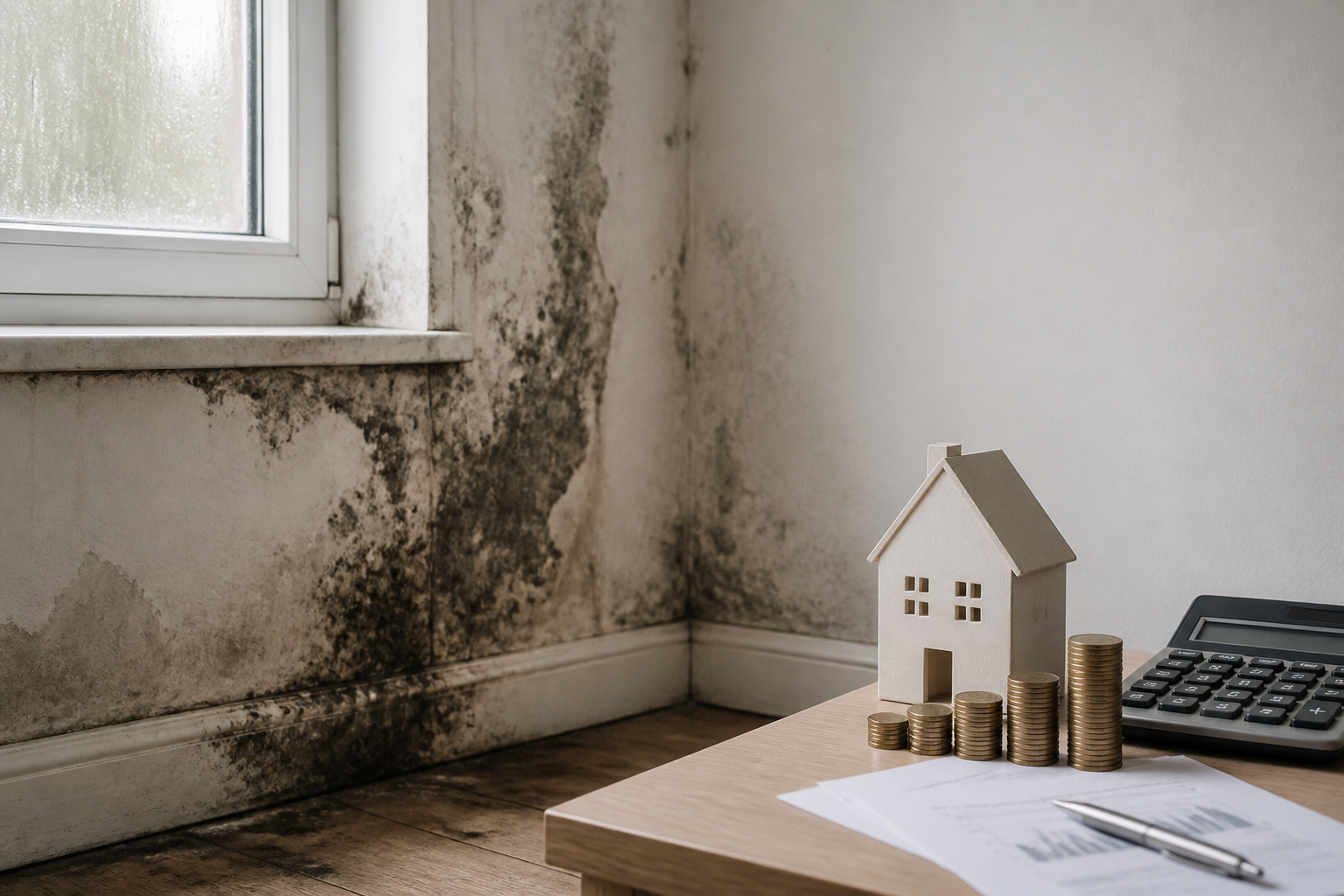
Rising scrutiny and prevalence
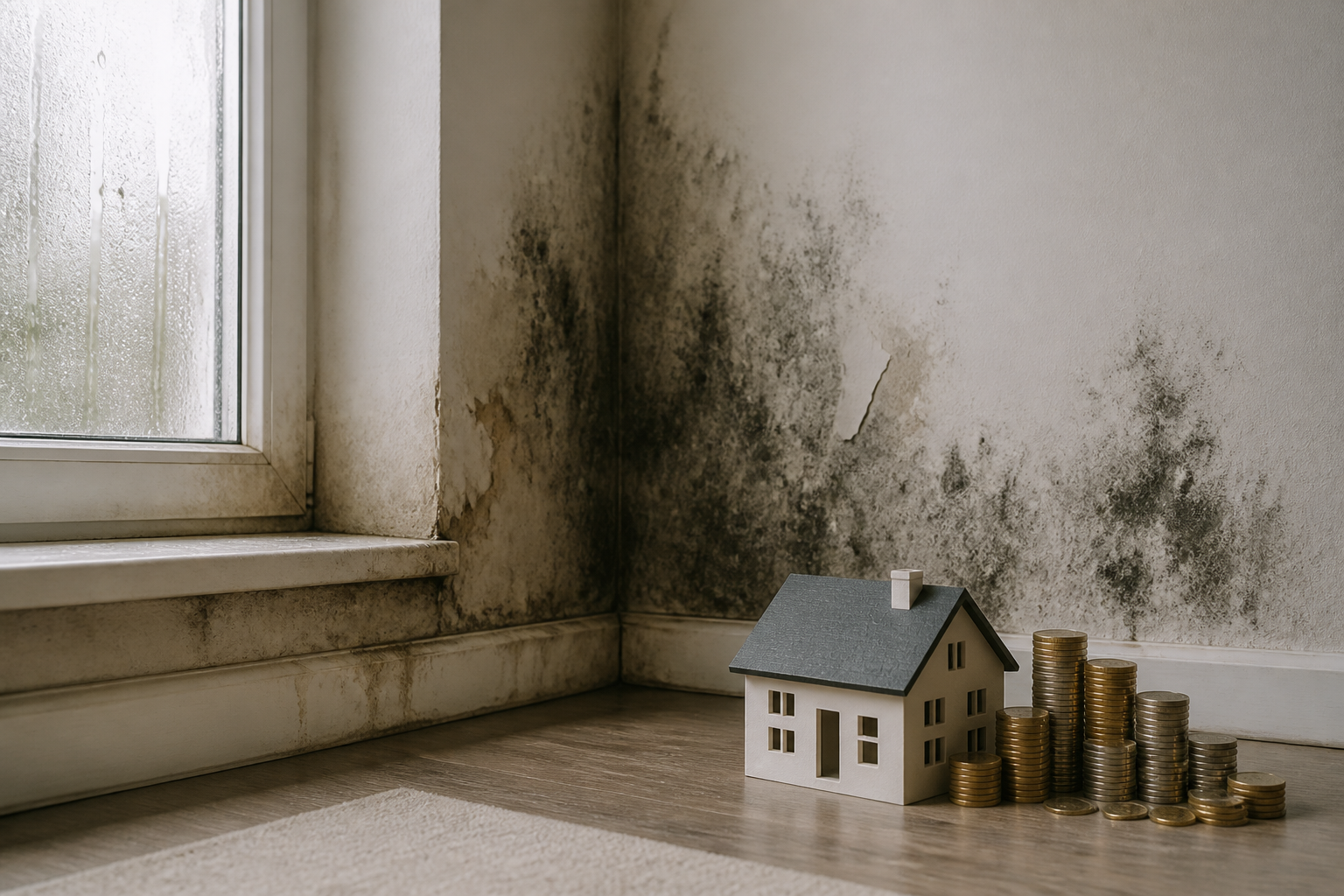
Local reporting continues to expose social housing landlords who are failing to control damp and mould. Recent coverage cited Woking Council where 329 homes were reported as failing standards, and some councils are publishing short repair-turnaround targets such as a five-day pledge. The English Housing Survey shows a rise in damp problems, with 7% of social homes affected in 2023-24.
This pattern is not just bad publicity. It highlights weaknesses in inspection, triage and repair workflows that undermine damp and mould compliance and increase health, cost and regulatory exposure. The sections that follow show where risk concentrates and the practical, evidence-led steps managers should take to reduce harm and avoid escalation.
Operational and health implications

Damp and mould are visible outcomes of varied causes: condensation from inadequate heating or ventilation, plumbing leaks, roof and gutter defects, rising or penetrating damp, and building envelope failures. Each cause has different remediation and verification needs.
Health guidance on mould and respiratory effects is available from national health bodies including the NHS and UK Health Security Agency. Local authorities use the Housing Health and Safety Rating System (HHSRS) when assessing hazards under housing law; excess damp and mould is treated as an actionable hazard. Recurrent surface treatments without root-cause rectification create cycles of rework, longer void periods and unresolved health risk. Persistent or widespread mould should be treated as an escalation trigger rather than a routine decorator's job.
Financial and legal exposures

Costs go beyond immediate repair invoices. Repeat call-outs, accelerated component failure, longer voids and potential compensation or remediation ordered by regulators all add up. Tenants can pursue complaints through the Housing Ombudsman Service, and local authorities may use HHSRS enforcement where hazards are not managed.
Reputational harm also has business consequences: increased scrutiny from stakeholders, pressure to meet publicised turnaround targets and the potential for legal challenge where evidence of appropriate inspection and remediation is weak. Managing cost therefore requires reducing recurrence through correct diagnosis and targeted remediation rather than repeated cosmetic fixes.
Evidence-led prevention and remediation

An evidence-led programme reduces both harm and cost. Key elements are:
- Triage protocol and risk scoring - document a simple triage to identify urgent health risks, vulnerable tenants and incidents likely to be systemic (for example roof leaks or rising damp).
- Standardised inspection - use a consistent checklist that records moisture readings, visible mould distribution, ventilation status and recent repair history. Standardisation supports prioritisation and defensible decisions on damp and mould compliance.
- Targeted monitoring - where the cause is unclear, deploy short-term hygrothermal monitoring and moisture mapping to distinguish condensation from penetrating or rising damp.
- Appropriate testing - reserve laboratory analysis or air sampling for complex, disputed or high-risk cases; routine cleaning or biocide treatment is not a substitute for diagnosis.
- Root-cause repairs - prioritise fabric and service repairs that remove moisture sources and improve drying and ventilation rather than only treating stains.
- Data and KPIs - track complaint origin, time-to-triage, time-to-repair and recurrence rates. Benchmark against the English Housing Survey and local performance data.
- Training and tenant communication - train repairs teams to recognise building failure modes and provide clear, practical advice to residents on ventilation and heating while repairs are arranged.
Escalate complicated or persistent problems to specialist consultants for a formal technical report where structural defects, pervasive contamination or health risk are suspected. A robust technical report supports effective remediation, a defensible timeline and regulatory compliance.
Key takeaways

- Recent reporting and national survey data point to a rise in damp and mould issues in social housing; these demand strategic, evidence-led responses to maintain damp and mould compliance.
- Use HHSRS and public health guidance to prioritise interventions (see gov.uk HHSRS guidance and English Housing Survey).
- Effective programmes combine standardised triage, measured diagnosis, root-cause repairs and performance data to reduce recurrence and cost.
- Where problems persist, obtain an independent technical assessment and remediation plan to support tenant safety and regulatory compliance.
- Our team delivers evidence-led inspections, monitoring and technical reports that link on-site assessment to laboratory analysis, supporting defensible decisions on remediation and compliance.