

Welding Fume Exposure: Why Measuring Airborne Contaminants Matters More Than Assumptions
Welding is essential across manufacturing, construction and engineering, yet every weld has the potential to generate hazardous airborne contaminants. This article explains why ventilation alone may not guarantee compliance, explores the factors influencing welding fume exposure, and highlights why workplace exposure monitoring provides the evidence employers need to protect workers and satisfy COSHH requirements.

Article overview
Across manufacturing, fabrication, engineering and construction, welding forms the backbone of countless operations. Yet while organisations often focus on weld quality, productivity and equipment performance, another critical factor deserves equal attention: the air that workers breathe.
Every welding process generates airborne contaminants. Depending on the metals, consumables and techniques used, these fumes can contain complex mixtures of fine particulates, metal oxides and gases capable of penetrating deep into the respiratory system.
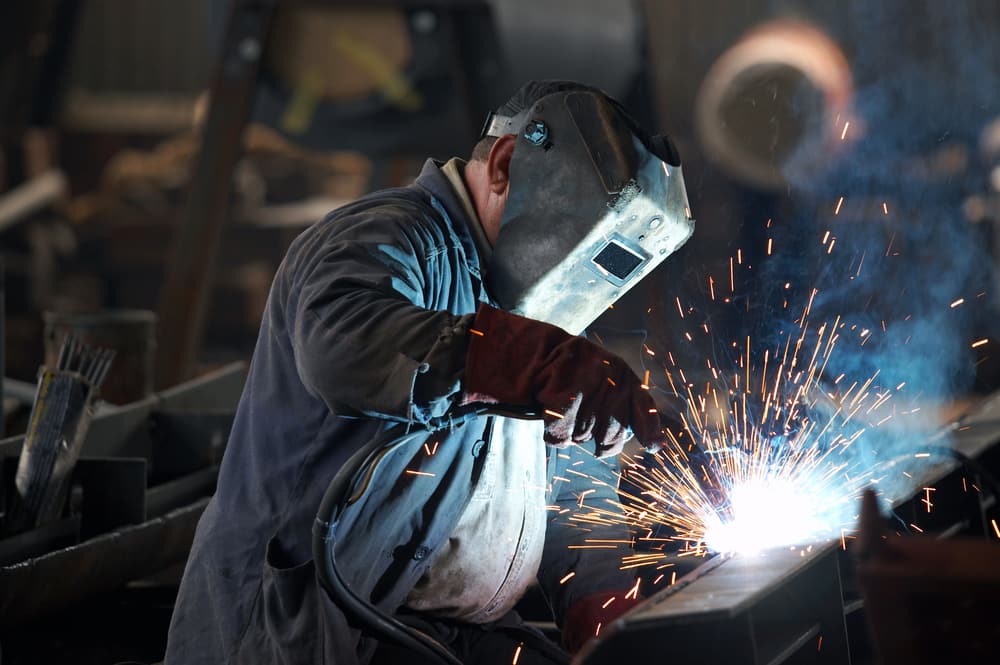
The challenge is not simply recognising that welding fumes exist. The challenge is understanding whether workers are actually being exposed above acceptable workplace limits.
This is where occupational hygiene becomes essential.
While many organisations assume all welding activities produce similar exposures, this is not the case.
In reality, exposure levels can vary significantly depending on numerous factors, including:
The welding process (MIG, TIG, MMA, Flux Core etc.)
Base metal composition
Filler materials
Surface coatings
Confined or enclosed workspaces
Duration of welding tasks
Number of simultaneous welders
Existing ventilation systems
Worker positioning relative to the fume plume
Two identical workshops can produce completely different exposure profiles despite carrying out similar work.
That makes assumptions a poor basis for compliance.
Local Exhaust Ventilation (LEV) remains one of the most effective engineering controls available for welding activities, but it's only one part of the solution. Capturing contaminants close to their source dramatically reduces airborne concentrations before they reach the worker's breathing zone.
However, ventilation systems only perform effectively when they are:
Correctly designed
Properly positioned
Routinely maintained
Used consistently by operators
Even high-quality extraction systems cannot guarantee that exposure remains below workplace exposure limits under every operating condition.
Verification is therefore just as important as installation.
COSHH requires employers to adequately control exposure to hazardous substances.
The only reliable way to understand actual worker exposure is through workplace exposure monitoring.
Occupational hygiene monitoring provides evidence of:
Actual airborne contaminant concentrations
Worker exposure throughout a representative shift
Effectiveness of engineering controls
Whether respiratory protection is appropriate
Areas where additional controls may be required
Rather than relying on assumptions, organisations gain measurable data to support informed risk management decisions.
Unlike immediate physical injuries, occupational respiratory diseases often develop over many years.
Repeated exposure to welding fumes has been associated with respiratory irritation, reduced lung function and increased risks from specific hazardous constituents depending on the materials being welded.
Because symptoms may not appear until significant damage has occurred, prevention remains far more effective than treatment.
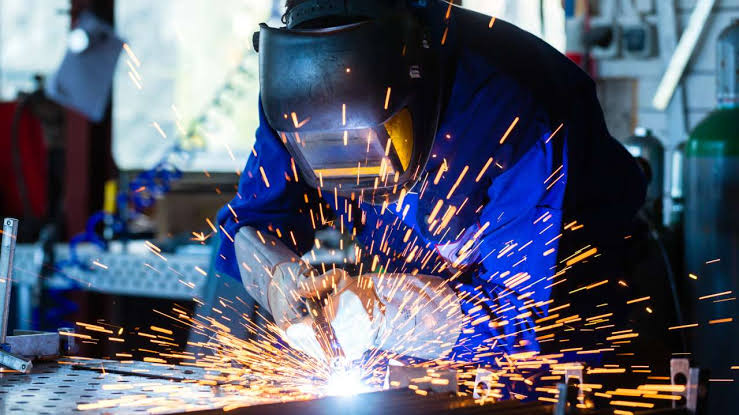
Effective risk management extends beyond providing respirators. Welding fume management should follow the Hierarchy of Control, with a comprehensive approach including:
Reviewing whether lower-fume processes are feasible
Maintaining effective LEV systems
Optimising workplace ventilation
Good housekeeping practices
Worker training
Appropriate respiratory protection where required
Regular occupational hygiene monitoring
Each layer contributes to reducing overall exposure.
Many organisations ask:
"How do we know our controls are working?"
Without monitoring, there is rarely an evidence-based answer.
Exposure monitoring enables organisations to:
Demonstrate COSHH compliance
Support risk assessments
Validate engineering controls
Prioritise workplace improvements
Protect employees using objective exposure data
Most importantly, monitoring transforms occupational health from reactive compliance into proactive risk management.
Every welding operation is unique.
The materials being welded, the working environment, production volumes and existing controls all influence worker exposure.
Instead of assuming risks remain unchanged, organisations should periodically verify exposure using professional occupational hygiene monitoring.
Evidence-based decisions protect people, improve compliance and provide confidence that workplace controls continue to perform as intended.
If your organisation undertakes routine welding activities, Sysco Environmental can help assess worker exposure through professional workplace exposure monitoring. Our occupational hygienists provide practical recommendations to help organisations understand risks, demonstrate COSHH compliance and protect employee health.