

Lead Exposure: The Invisible Risk Leaving Work With Employees
Lead can enter the body through inhalation and ingestion during maintenance, construction, manufacturing and recycling. Sysco Environmental explains how British employers should assess exposure under the Control of Lead at Work Regulations and prevent contamination at source.
In Brief
- In Great Britain, occupational lead is governed principally by the Control of Lead at Work Regulations 2002 Control of Lead at Work Regulations 2002, not COSHH.
- Employers must prevent exposure or, where this is not reasonably practicable, control it adequately.
- The current occupational exposure limit for lead in air is 0.15 mg/m³ as an 8-hour time-weighted average, but HSE warns that health effects can occur below existing regulatory levels.
- Air monitoring and biological monitoring answer different questions and may both be required.
- Engineering control, strict hygiene, suitable RPE, medical surveillance and prevention of take-home contamination must operate together.
Lead Risk Has Not Disappeared
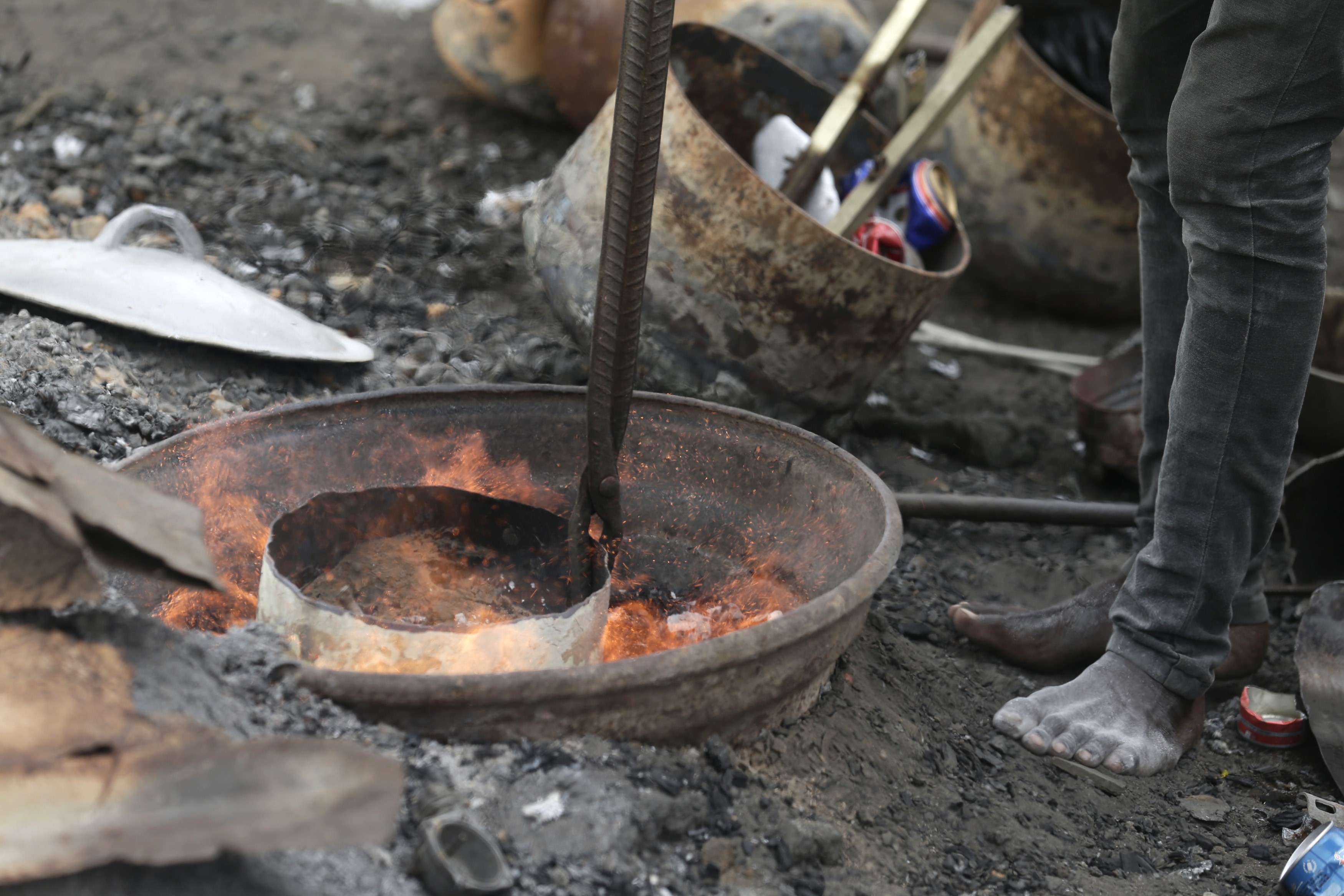
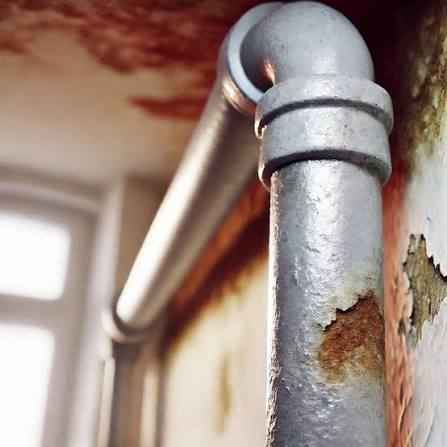
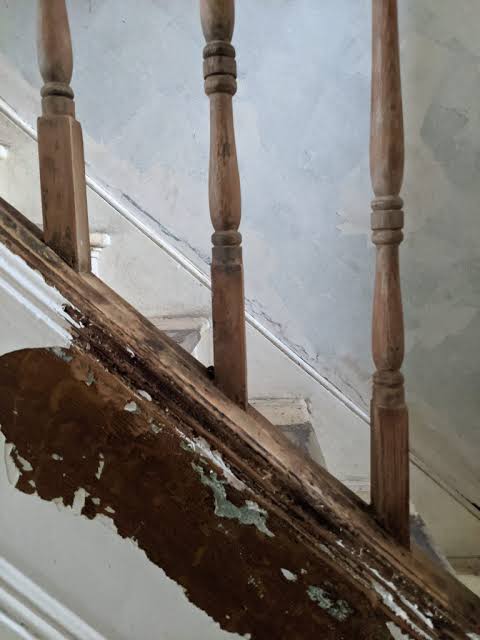
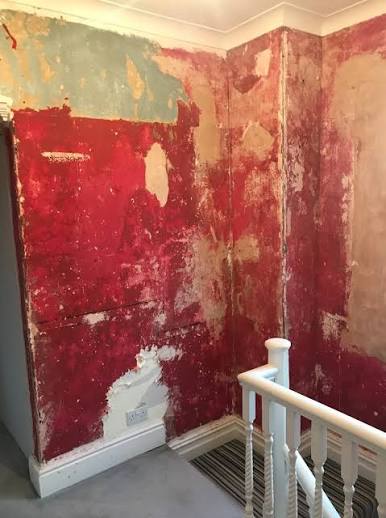
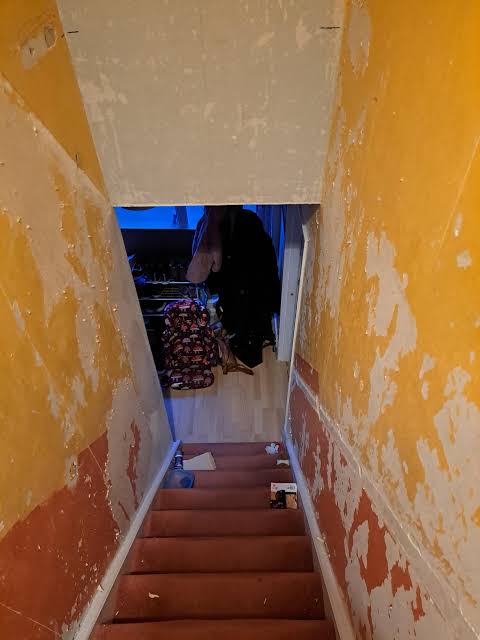
Lead remains present in older paints and coatings, batteries, alloys, some solders, glazing, ammunition, demolition waste and specialist manufacturing. Workers may encounter it while abrasive blasting bridges, burning painted steel, cutting scrap, stripping historic buildings, recycling batteries or disturbing contaminated dust. A material installed decades ago can create a current exposure when work changes its form.
Lead dust and fume may be inhaled. Contaminated hands, food, cigarettes, mobile phones and facial hair can transfer lead to the mouth. Dust carried on clothing, footwear, tools or vehicles can expose families away from work. Effective control must therefore address the complete pathway, not merely the concentration beside a process.
Lead accumulates in the body. Exposure can affect the nervous system, kidneys, blood, reproductive health and other organs. Symptoms may be absent or non-specific, so waiting for illness is not a safe strategy. HSE states that growing evidence indicates health effects at blood-lead concentrations below levels currently specified in the regulations.
The British Legal Framework
The Control of Lead at Work Regulations 2002 (CLAW) apply to work liable to expose employees to lead. Lead has its own specific regime and is excluded from the Control of Substances Hazardous to Health Regulations 2002 for that purpose. Broader duties under the Health and Safety at Work etc. Act 1974 and Management Regulations still apply.
Employers must assess the risk before work involving lead begins. Exposure must be prevented so far as reasonably practicable. Where prevention is not reasonably practicable, employers must achieve adequate control through appropriate measures. The assessment should consider the form and properties of lead, level and duration of exposure, work circumstances, control effectiveness and information from air monitoring and medical surveillance.
The occupational exposure limit in CLAW is 0.15 mg/m³ for lead other than lead alkyls, averaged over 8 hours. Compliance with this value does not end the duty to prevent or adequately control exposure. A limit is a backstop within a wider system, and HSE’s current health warning supports driving exposure lower wherever reasonably practicable.
CLAW includes statutory blood-lead action and suspension arrangements. HSE currently states suspension levels of 60 µg/dl for most male employees, 30 µg/dl for women of reproductive capacity and 50 µg/dl for young workers aged 16 or 17. These values require careful application by the appointed doctor. They are not desirable exposure targets and do not justify waiting for a worker to approach them.
Northern Ireland has separately administered occupational-safety legislation and HSENI guidance. Organisations operating there should verify the corresponding requirements rather than assume every Great Britain provision applies identically.
Identify Lead Before Disturbance

The first step is to establish where lead is present and how the proposed work could release it. Review surveys, specifications, maintenance records, safety data sheets, previous analysis and process knowledge. For existing coatings or uncertain deposits, representative material analysis may be needed. A visual judgement or the age of a structure cannot reliably quantify lead content.
Create a task inventory covering normal and non-routine work. Include surface preparation, welding, thermal cutting, demolition, filter changes, cleaning, waste handling, spill response and maintenance inside extraction plant. Consider contractors and others working nearby. An enclosed space, poor access or high work rate may increase exposure and complicate hygiene or RPE use.
Characterise the physical form. Fine dust from sanding and blasting behaves differently from fume created by high-temperature processes. Large chips can generate dust through handling and crushing. Contaminated surfaces present an ingestion risk even if airborne exposure appears limited.
A suitable assessment should record who may be exposed, frequency, duration, routes, existing controls, foreseeable failures and the evidence used. It should identify work where exposure is likely to be significant, because that classification affects requirements for air monitoring, medical surveillance and control.
Use Air Monitoring to Answer Defined Questions

Personal air sampling measures lead in the worker’s breathing zone during representative tasks. It can estimate time-weighted exposure, compare results with the occupational exposure limit and show which activities contribute most. Static or background samples may help investigate spread and control containment, but they do not substitute for personal exposure measurement.
A competent monitoring strategy accounts for task duration, material, method, ventilation, RPE, shift pattern and day-to-day variability. One sample from a quiet day cannot characterise a changing demolition project. Record contextual observations so results can be interpreted and repeated.
Monitoring is required in circumstances set by CLAW, including where significant exposure is liable to occur, unless the assessment demonstrates exposure is not significant. Repeat measurement is needed at suitable intervals and when a material change could affect exposure. Results should guide controls, not simply populate a report.
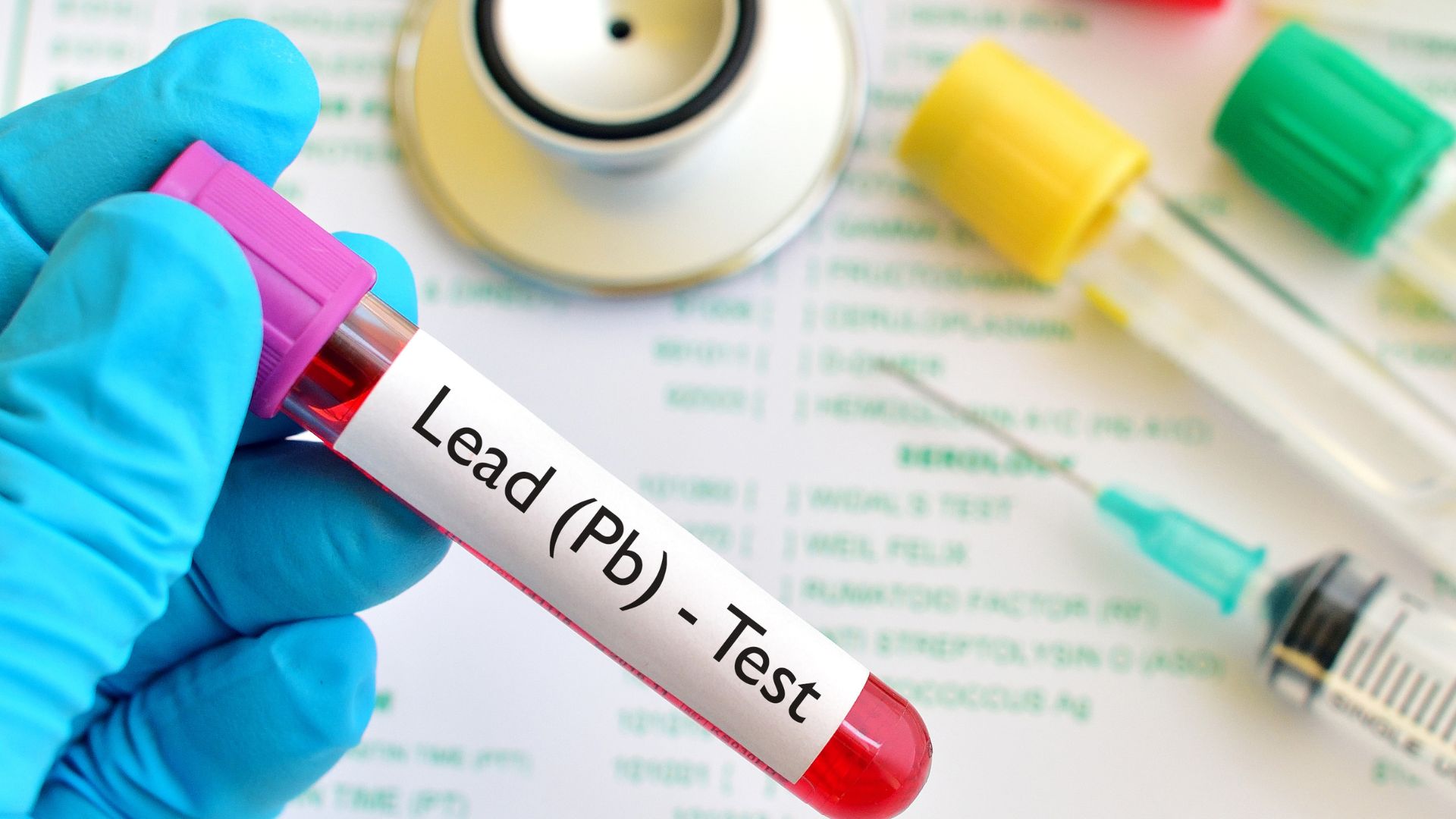
Biological monitoring measures uptake into the body, commonly through blood-lead analysis. It reflects inhalation and ingestion from occupational and potentially non-occupational sources. Air and blood results therefore complement rather than replace each other. An appointed doctor or employment medical adviser oversees statutory medical surveillance and decisions about suspension.
Prevent and Control Exposure at Source
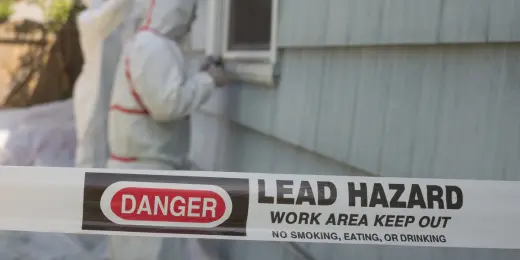
Avoid lead-containing material or the work that disturbs it where reasonably practicable. Specify lead-free products for new work. Consider whether a coating can remain undisturbed, a component can be removed intact, or a lower-emission method can replace abrasive or thermal processing.
Where work remains, isolate and contain the source. Use enclosed systems, local exhaust ventilation, on-tool extraction, wet methods where suitable and controlled abrasive-blasting arrangements. Design capture around the release mechanism and worker position. General ventilation alone rarely controls a concentrated source effectively.
Commission extraction and maintain it in efficient working order. Operators need indicators or checks that reveal loss of performance. Thorough examination and test should follow the applicable statutory requirements and competent advice. Maintain negative pressure and filtration where enclosures protect adjacent areas, and verify containment with appropriate inspection or monitoring.
Plan cleaning as exposure control. Use suitable high-efficiency vacuum equipment or wet methods. Dry sweeping and compressed-air cleaning can redistribute contamination and should be avoided. Clean from less contaminated to more contaminated areas and manage waste as hazardous material under relevant environmental requirements.
Hygiene Prevents Ingestion and Take-Home Exposure
Provide designated clean and dirty areas with a controlled sequence for changing, washing and storing equipment. Work clothing should remain separate from personal clothing and be cleaned through suitable arrangements. Workers should not take contaminated items home.
Eating, drinking, smoking and applying cosmetics should take place only in clean areas. Workers need ready access to washing facilities and sufficient paid time to use them. Clean hands and face before breaks, even where gloves were worn. Mobile phones, pens and vehicle controls can become transfer surfaces and should be addressed in the procedure.
Facilities must match the work. A basin distant from the work area or a crowded changing room may encourage shortcuts. Inspect hygiene standards and consult workers about practical obstacles. Surface sampling can sometimes help evaluate contamination pathways, provided the question and interpretation are defined.
RPE, Protective Clothing and Training
Respiratory protective equipment is required where residual inhalation risk remains or as an interim or emergency measure. Select an adequate assigned protection factor from a competent exposure assessment. Tight-fitting RPE requires face-fit testing for the specific make, model, type and size, and the wearer must be clean-shaven in the sealing area. Provide suitable alternatives where this cannot be achieved.
Protective clothing, gloves and footwear should prevent skin and personal-clothing contamination and be compatible with other equipment. Establish careful removal, cleaning, storage and replacement. Disposable equipment still needs controlled removal and disposal; it does not remove the need for hygiene.
Training should explain health effects, routes of exposure, control use, hygiene, RPE limitations, monitoring, medical surveillance and emergency action. Workers should understand results relevant to them and report control defects immediately. Supervision must confirm that the system remains workable under time pressure.
Medical Surveillance and Action
CLAW requires medical surveillance by an appointed doctor where employees are exposed to lead in specified circumstances. The programme may include clinical assessment and biological monitoring at intervals determined by the regulations and doctor. Employers must allow attendance during working time and keep the required health records.
Elevated or rising blood-lead results require investigation well before a suspension level is reached. Examine engineering performance, work methods, cleaning, RPE, personal hygiene, overtime and possible non-work sources. The doctor advises on individual medical action; the employer must correct workplace causes and protect confidentiality.
Where the doctor certifies that a worker should not continue lead exposure, the employer must follow the statutory suspension process. A transfer is not a substitute for improving controls for everyone else. Trend anonymised results, where appropriate, to identify groups or tasks requiring attention.
Review and Verify Control
Inspect controls routinely and review the assessment after process, material, staffing or layout changes; control failure; an abnormal monitoring result; a health concern; or an incident. Compare personal monitoring, biological trends, extraction tests, hygiene inspections and worker feedback. Each measure provides a different view of performance.
Sysco Environmental can support lead risk evaluation and occupational-exposure monitoring, helping employers replace assumptions with task-specific evidence. Medical surveillance must be delivered through the appropriate occupational-health arrangements, with clear interfaces between the appointed doctor, employer and hygienist.
Lead control succeeds when release, inhalation, ingestion and contamination transfer are all addressed. The objective is not to work up to a legal limit. It is to prevent exposure where possible and keep any remaining exposure as low and well controlled as reasonably practicable.