

Asbestos Compliance Failures 2026: Lessons from HSE's Latest Prosecution for UK Employers
A North Wales waste and recycling firm was fined £36,000 after 11 years of repeated HSE enforcement over asbestos handling and welfare failures. The case is a stark reminder that "we didn't know" is not a defence when hazardous materials are involved
Article overview
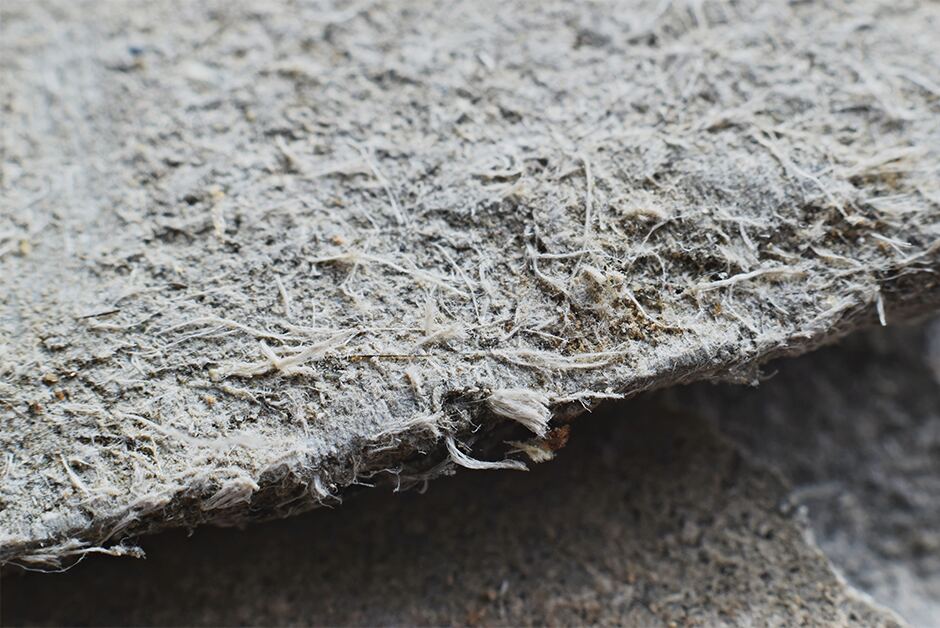
On 9 July 2026, HSE published the details of a prosecution that should concern every business that handles waste, demolition material, or older building fabric: a North Wales waste and recycling company, was fined £36,000 plus costs after workers were made to sort waste and recyclable material by hand with no running water, no soap, and no means of drying themselves afterwards — on a site where asbestos-contaminated material had previously been found.
What makes this case notable isn't the fine itself. It's the timeline. HSE's investigation found the company had received enforcement notices on "several occasions over an 11-year period," every time for the same underlying issues: welfare provision and training. Despite repeated warnings, employees still weren't given asbestos awareness training, even after asbestos had been brought onto the site on at least one occasion.
Why this case matters beyond waste and recycling
HSE Inspector James Benton was blunt in his assessment: "The health risks from exposure to material containing asbestos is well known yet this company wasn't providing the appropriate facilities for workers to protect themselves." It's a point worth sitting with, because the underlying failure here isn't exotic. It's not putting warm water, soap, and drying facilities in a workplace where staff could plausibly come into contact with asbestos fibres — a Workplace (Health, Safety and Welfare) Regulations 1992 requirement that has existed, unchanged, for over three decades.
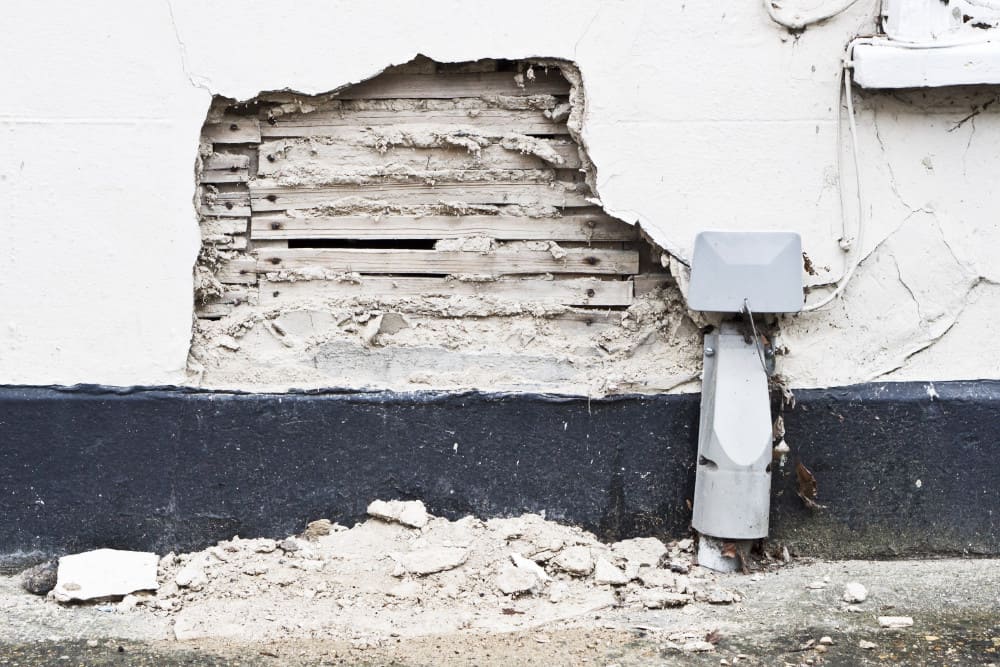
Asbestos risk isn't confined to demolition contractors and licensed removal specialists. HSE's own guidance flags that "workers in skilled trades are at particular risk of discovering and disturbing asbestos during their work" — electricians, plumbers, roofers, and general maintenance staff working in any building constructed or refurbished before the 2000 UK-wide ban are all potentially exposed. The same applies to waste handlers, letting agents preparing older properties, and facilities teams in pre-2000 commercial buildings who may never have commissioned a proper survey.
The compliance gap this case exposes
Three failures compound in cases like this one, and they're worth checking against your own operation. The first is not knowing whether asbestos-containing materials (ACMs) are present at all — a management or refurbishment survey under the Control of Asbestos Regulations 2012 is the only way to establish this with confidence, rather than relying on assumption or a previous owner's word. The second is treating asbestos awareness training as a one-off induction exercise rather than an ongoing requirement tied to the actual work being done. The third, illustrated directly by this case, is failing to provide the basic welfare infrastructure — washing and decontamination facilities — that sits alongside any work where ACM contact is plausible.

The 11-year enforcement history here is the detail that should give employers pause. This wasn't a single oversight caught by an unlucky inspection. It was a sustained pattern that repeated warnings failed to correct, which is precisely the kind of case HSE highlights to signal that patience with repeat offenders is running out.
Building a defensible position
For any business operating in older buildings, waste handling, demolition, or refurbishment, a clear paper trail matters as much as the physical controls. That means an up-to-date asbestos register based on a proper survey, documented training records tied to the actual risks staff face, and welfare facilities that match the reality of the work — not just what's convenient. Where mercury, lead paint, radon, or fire residue are also part of the picture, the same principle applies: know what's present before you plan the work, not after someone gets hurt.
Sysco Environmental's Hazardous Materials service covers asbestos surveys, lead paint testing, mercury assessments, radon detection, and mould and damp investigations, giving employers the independent evidence base needed to close exactly the kind of gap this prosecution exposed.